
Offseason Tips for Marathoners — Stay Strong & Injury-Free
Hey runner, congrats on crushing your last marathon! Now that the race is done, it’s tempting to just chill— and sure, rest is important. But the offseason is also your secret weapon for coming back stronger, healthier, and ready to smash your next goal. Whether you’re a seasoned marathoner or just getting started, here’s the scoop on how to make the offseason work for you, especially if you’re running around Mumbai and Santacruz West.
The Do’s — What You Should Definitely Be Doing
-
Keep moving, but keep it chill. Swap your usual heavy mileage for low-impact workouts like swimming, cycling, or yoga. It keeps your cardio strong without beating up your joints. Plus, Mumbai’s coastal areas like Juhu and Versova are perfect spots for some active recovery vibes.
-
Strength matters. Aim to add strength training two or three times a week. Focus on your core, hips, and legs—helping you run more efficiently and avoid injuries. Bodyweight exercises and resistance bands are simple, effective options.

-
Rest and fuel right. Make sleep your BFF, stay hydrated, and follow a balanced diet to support muscle repair. Adding anti-inflammatory foods, like turmeric, can really help ease any soreness.
-
Listen to your body. Pains that won’t quit? Don’t ignore them. Nipping small issues in the bud is key to staying on track.
-
Check in with a sports physio. Especially if you’re in Santacruz West, a quick visit to Physiocure can help fix any imbalances and get you aligned to run better.
-
Functional training for runners. Signing up for runner-specific training programs boosts your strength, flexibility, and resilience. Trust us, those classes make a big difference in performance and injury prevention.
The Don’ts — What to Avoid
-
Don’t skip warm-ups and cooldowns. Even during easy days, these keep your muscles flexible and ready to move.
-
Don’t brush off pain. That nagging knee or foot ache? It’s probably telling you something important.
-
Don’t overtrain in the offseason. Pushing too hard now leads to burnout and injuries later. Respect your recovery time—it’s a vital part of training.
Post-Marathon Injury Tips
Marathon training and racing can leave you with common issues like IT band syndrome, plantar fasciitis, or shin splints. Managing these properly is crucial:
-
Early intervention is everything. Catch problems early by consulting a sports physiotherapist — Physiocure in Mumbai has got your back!
-
Use therapies designed for healing. From manual therapy to functional rehab movements , have helped a lot of marathoners reduce inflammation and speed recovery.
-
Take it slow getting back. Resist the urge to jump into running full throttle. A gradual, guided return keeps you injury-free.
-
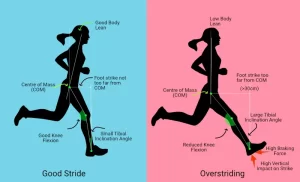
Fix your run game. Sometimes your sneaky form is the culprits—let a physio fix that so you can run free and easy next time.
Case Study:
A 43-year-old marathon enthusiast from Mumbai who was working hard with a running coach to improve his times. Even with all that training, he started struggling with persistent pain — classic symptoms of Achilles tendinopathy and patellofemoral pain syndrome (PFPS).
Symptoms he experienced:
-
Achilles Tendinopathy: Morning stiffness and soreness at the back of his lower leg; pain intensifying during and after running; swelling or thickening around the Achilles tendon; occasional discomfort climbing stairs.
-
Patellofemoral Pain Syndrome: Pain around or behind the kneecap, worsened by stair climbing, squatting, or sitting long; knee instability sensations and stiffness after runs.
The Red Flags he ignored at first:
-
Sharp sudden pain or swelling around the Achilles tendon
-
Popping sounds near the tendon, followed by inability to push off
-
Severe knee swelling or restricted motion
-
Persistent leg numbness, tingling, or weakness
If you notice these, seek urgent care — don’t push through!
Intervention at Phsiocure: The sports rehab clinic:
He started a year-round, personalized physiotherapy plan including:
-
Manual therapy and Interferrential therapy/cold therapy to reduce inflammation
-
Biomechanical and gait analysis to spot muscle imbalances
-
Strengthening of calves, quadriceps, hip stabilizers, and core
-
Tailored runner-specific functional training to improve form and prevent injury
-
Regular physio integrated with his coach’s plan for steady progress
Results:
After 6 months, pain was substantially reduced. After one year, he ran a marathon pain-free with a personal best time. The comprehensive approach made him stronger, faster, and injury-resilient.
Conclusion:
Working with a professional coach is great, but integrating year-round sports physiotherapy and runner-specific training is key to managing chronic injuries and improving performance. Mumbai runners facing similar issues should consider clinics like Physiocure for expert care that keeps you running strong.