Category: sports injuries

  • Patellar Tendinopathy

    Patellar tendinopathy is a common painful, overuse disorder, often presenting with knee pain in the front portion below the knee cap area.Also commonly known as Runner’s knee or Jumper’s knee. A thorough history and physical examination are necessary, but imaging can also aid in the diagnosis. The majority of cases resolve with physiotherapy. Once patients pass the initial inflammatory phase and remain symptomatic, treatment becomes more difficult.

    Let us first try to understand where the patellar tendon is.

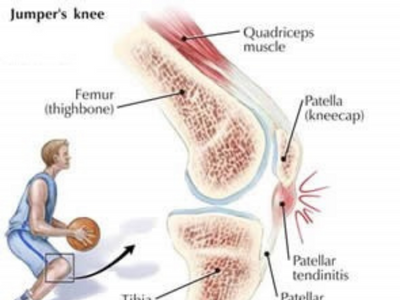
    On the front of the thigh a group of muscles called quadriceps are placed. These muscles form a tendon just above the knee cap (patella) which passes on and around the patella and extends to end at the shin bone (tibia). The portion below the patella is called the patella tendon

    What is the function of this tendon?

    • It connects the quadriceps muscle to the shin bone. Or it connects the thigh to the shin over the knee joint.
    • Because of its structure it can transmit the force generated by this muscle as well as absorb ground reaction forces without minimal energy loss.
    • It is flexible in nature.
    • It provides proprioception- this means it provides constant signalling of the knee position to the brain and helps the brain respond appropriately.


    What is the tendon made of?

    • It’s made of collagen which can bear the load put on the tendon & elastin component which provides some flexibility to the tendon.
    • This combination is arranged in several layers which then forms a guy rope kind of structure made of thin fibril like ropes assembled together.
    • This guy rope is further covered by thin sheet of connective tissue called paratenon which provides nutrition to the tendon.

    the more chronic or older your tendon problem will be the deeper it will reach to the tendon and may take a longer time to get the structural integrity back. but the best part is it is possible to restore the structural integrity with just physio


    How does the tendinopathy develop?

    • Tendinopathy means some pathology in the tendon.
    • When the tendon is suddenly loaded beyond its capacity to handle, there is some damage to the minute structure within the tendon. If these structures are not able to recover appropriately, overall the tendon is not fit to even take the normal load leading to tendinopathy. This would be the sudden overload theory.
    • Secondly if the tendon is repetitively loaded without sufficient time for recovery, slowly over a period of time the minute structures within the tendon are not able to take the load leading to the tendinopathy.
    • Thirdly the quadriceps muscle force generation has an effect on the tendon. Is it is tight the force generated cannot be dissipated properly or if there is continuous eccentric load which the muscle can’t handle, then the tendon takes the beating.


    The location where the tendon tends to develop a pathology?

    Usually the tendon injury in detail is identified by its location that is, whether tendon is injured at its attachment on the knee cap, in the middle part of the tendon or at the lower portion attached on the shin bone is injured. The evidence based on a research below states the following

    “This study confirms that patellar tendinopathy is not restricted to the proximal pole. Although the proximal pole was the most commonly involved location, distal pole involvement was common occurring in 38% of scans. The vast majority of previous studies have concentrated on proximal disease to the neglect of distal disease. Involvement of the mid patellar tendon was less common and when it did occur it almost always occurred in conjunction with pathology of either the proximal and/or distal poles. Isolated involvement of the middle portion of the patellar tendon was very rare (occurring in only one scan). As a result of this study the following recommendations are made:

    This means that the tendon can get affected at the bone attachment near the patella or the shin bone, however getting injured in the middle part of the tendon is rare. Also the rehab program is different depending on the location of the injured tendon.

    How does the tendon respond to loading?

    When we talk about tendon loading, what we are discussing is repetitive jumping activities or exercises where the quadriceps muscle needs to be stretched and handle the body weight at the same time which directly loads the tendon. To understand how the pathology develops it is necessary what factors affect the loading of the tendon.

    • If the tendon is thicker or longer it can with stand more load
    • With age the load bearing capacity reduces and it takes longer time to recover.
    • The tendon cannot withstand a situation where the tendon is getting compressed and loaded.
    • It cannot withstanding loading continuously especially when it is fatigued
    • If the leg has been immobilized for a long time, the tendons load bearing capacity reduces.
    • The tendons microcirculation if impaired, it will affect the nutrition to the tendon and indirectly delay the healing, in that case again the tendon may not be able respond normally to normal loads.
    • Local injection of corticosteroid into the injured tendon cause further thinning of the tendon and decreased strength, affecting the ability to bear load.
    • Diabetes affects the healing of the tendon and reduces the ability to take load.
    • Reduced oestrogen hormone can cause loading issues and lead to tendinopathy.

    Having said that , the rehab for any tendinopathy is based on loading exercises which are used in a biomechanically correct position to help reduce pain and build the tendon strength back. so don’t get confused. remember injury is caused due to faulty loading and overuse and injury will be resolved with correct loading and appropriate rest.


    What are the Risk factors for developing patellar tendinopathy?

    For nine risk factors there was some evidence:

    1. weight,
    2. body mass index,
    3. waist-to-hip ratio,
    4. leg-length difference,
    5. arch height of the foot,
    6. quadriceps flexibility,
    7. hamstring flexibility,
    8. quadriceps strength and
    9. vertical jump performance.

    Based on the present evidence, reducing body weight, increasing upper-leg flexibility and quadriceps strength and the use of orthotics may be beneficial treatment options. However, it should be stressed that the evidence for the nine identified risk factors was only limited.

    (more…)

  • Running

    Running is one of the most popular sports in the world. This not only covers marathons and track and field running – running is also part of the training in virtually all other sports, including soccer, rugby, handball and triathlon. Modified levels and intensities of running can also be used as alternative training for most athletes with certain types of injuries

    Running is a very efficient method for maintaining or improving overall fitness and increasing the structural strength of the leg muscles. Running can be over a distance, in a variety of intervals or as a varied running-jogging-walking program. The intensity and the distance must be proportionate to the runner’s ability and objectives.

    Running on a hard surface

    However,before running on a hard surface, such as roads or astro turf, the runner must be able to withstand the repetitive impact of the ground on to the legs, as each stride will create an impact force of five to ten times body weight for a fraction of a second. Since each stride stresses the same structures, their tensile strength and endurance lie between positive training effects and injury.

    Running on a hard surface mainly loads the lower limbs, where 90 per cent of running injuries are found. The most common error an inexperienced runner makes is to run too fast and too long too early, so that training causes new injuries instead of promoting the healing of another.

    Prescribing hard surface running

    It is important to use common sense when prescribing hard-surface running. For an inexperienced runner the safest way to build up performance after an injury is a slow and steady running tempo,
    including a proper warm-up. The best test of improvement in running capacity is repeatedly to measure the runner’s effort and time in a simple test race.

    Running for general fitness

    For a fairly unfit but otherwise healthy person who wants to improve their general fitness and aerobic performance, running can be recommended as part of a progressive program. From a reasonable starting point, such a program would usually increase less than 15 per cent in distance and intensity per year.

    When to stop/reduce running on a hard surface!!

    • An elite marathon runner with an over-use injury may simply reduce their running time from two hours to one hour per day; not pushing over the pain threshold but gradually increasing the time day by day.
    • A 130 kg rugby player, even though extremely fit, is not a good candidate for long-distance or road running. Their knees will undoubtedly say ‘no!’ to this madness.
    • This type of exercise also cannot be recommended for obese or generally unfit recreational athletes or people with structural knee or hip problems, such as osteoarthritis.


    How do you know your running capacity is decent!!

    A reasonable running tempo that can be maintained for 30 minutes is essential for a persistent training effect. Runners should aim for a pace at which they can chat with a running mate while breathing almost normally; this is equivalent to 60 to 70 per cent of maximum aerobic capacity.

    The subjective experience of running is far more important than the heart frequency, which is not directly proportionate to the runner’s feeling. Even with the same heart frequency, for example 160 beats per minute, running can be very easy one day and very uncomfortable the next.

    Training to run efficiently

    The subjective experience of training is very important for a non-runner’s motivation. Since the surface is consistent for each stride the same structures in the lower limbs will be put under repeated stress. While this leads to a functional adaption of the strength of the structures it can also lead to
    injuries in the short term.

    The comfortable fitting shoe for running

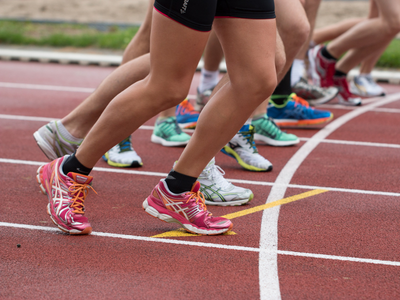
    This also highlights the importance of proper, comfortably fitting of The Running Shoe with a cushioned sole, which can reduce the impact from touchdown in the stride, distribute the forces and provide stability to the ankle and foot.


    overpronation is normalmarketing strategyEthopian athlete


    Regular runners will soon find their own style, but might have more trouble getting a consistent style of footwear. Most running injuries are caused by training errors.

    We usually recomment these ankle mobility exercises for runners training for a marathon

    Don’t get carried away!!

    The commercial running shoe market is unfortunately mainly fashion-orientated and new models are pumped out every six months. Despite improved bio mechanical knowledge, which manufacturers claim has revolutionized the market, and lighter high-quality materials and technology within the sole to compensate for different individual factors, modern running shoes do not last long. It may also be questioned whether they have reduced the incidence of injuries.

    Soft Surface Running

    Running on soft surfaces maintains or increases fitness and tensile strength of the lower limbs and with less eccentric impact compared to running on hard surfaces. A well-balanced running programme over beachess, in parklands or in forests can be recommended as a primary alternative
    training for most runners and other athletes with over-use injuries, even those of the lower limbs.

    People with mild or moderate knee or hip osteo-arthritis, who struggle to run 500 m on the road, may be able to jog a 5 km orienteering course without adverse effects.

    people with knee or hip arthritis must do these stretches before going for the run

    Advantages of soft surface running

    • A varied and soft running surface creates a lower impact on the musculo-skeletal system, due to the longer time for shock absorption from each stride and the wider distribution of forces over the kinetic chain.
    • On the other hand, the runner is forced to work harder, from a muscular point of view; they need to lift the knees higher when running uphill or over obstacles on the ground like vegetation.
    • This consumes more energy and, all in all, uses more muscle groups than running on hard surfaces.
    • Running in forests consumes up to twice as much energy per kilometer as road running.
    • Running on soft surfaces is less demanding for the lower limbs but, due to the increased energy demand, puts more stress on the cardiovascular and respiratory system and so is good for weight reduction and general fitness.

    Risks of soft surface running!!

    • There are risks in the prescription of this type of training. Over uneven terrain, the risk of ankle sprains and falls increases.
    • Even though temporarily running on soft surfaces can be recommended for a marathon runner with over-use injuries of the lower limbs, they must be aware of the increased risks.
    • Proprioceptive ankle training and core stability training must accompany alterations in running type.


    Who should avoid running on soft surfaces

    Older athletes, or fragile patients with osteoporosis or disabling injuries, may jog or walk on softer surfaces instead of running

    Last but not the least if you are into running you must follow these three stretches everyday to prevent yourself from injuries.

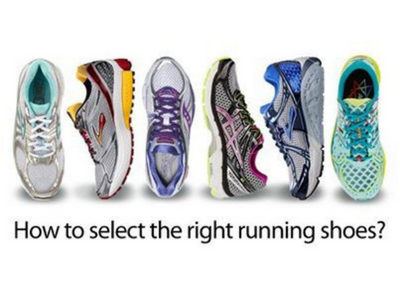
  • The Running Shoe ?

    As more and more people resort to running for health and fitness, so have the number of  Running injuries increased. A visit to Physiocure we can help you educate with the foot types, shoe designs and a simple examination can reveal which foot type you run with and is your current running shoe good enough.

    When we happened to interact with our professional runners on how they choose their shoes, we were not surprised at all. Most consumers are nowadays visiting the sports shoe showrooms and are made to walk on the treadmill, a foot scanning is done and then the shoe is prescribed at least in metro cities in India, for smaller cities it’s more of what feels comfortable and what fits my budget.

    A lot of people pick up running shoes based on

    • available discounts,
    • latest styles or
    • they are consulted by so called “storeroom shoe prescription experts” into buying the motion controlled or pronation control type footwear.

    this is common and is not always bad, but really it is a matter of concern. after 12 years of practice, I believe, a low arch, motion-controlled shoe, a high arch are secondary factors that contribute to running injuries, and its just a “fear-based marketing approach” to sell new, highly-priced running shoes

    overpronation is normalmarketing strategyEthopian athlete


    Before you go for the new shoe selection trip to these stores again, ask yourself these questions:

    • Would you take the advice of a person trained by a marketing expert into explaining the foot scanning in these stores or your physio/health care provider?
    • Did you check your foot type from a podiatrist/physio/health care provider or the sales guy at these stores?
    • Has choosing shoes on based of feel, prevented your number of sports injuries.
    • Is you running pattern in sync with the motion control shoes you’ve been offered.
    • Is the sales guy really a shoe prescription expert?
    • Was there something wrong with my last shoe or my running style or fitness?


    What does research say??

    Where can we find the truth, as physiotherapists? Peer-reviewed research is a fantastic source of information and can guide us to the truth when it comes to what Running shoe is best for our patients.

    It was once believed that those with low arches should wear “motion-control” shoes which are designed to be more rigid. Those with a more neutral or “normal” arch should be placed in “stability” shoes, and those with a high arch should be placed in more cushioned, “neutral” shoes.

    Despite common “knowledge” in the running community, selecting a shoe based on arch-height does not lead to reduced injury (1).

    Another misnomer commonly used for shoe prescription indicates that excessive pronation of the foot and ankle leads to injury, so shoes should be fitted to reduce pronation.

    Current research is inconsistent and conflicting but has not shown a strong correlation between “excessive” pronation and injury (2, 3).

    Pronation or foot posture can not confidently be used as an indicator for shoe prescription, barring further research.

    What about “minimalist” shoes?

    Once again, not enough research has been completed to confidently say that wearing minimalist shoes leads to reduced injuries. Minimalist shoes are designed to mimic running barefoot, resulting in a foot-strike closer to forefoot (4). This “strike-pattern” is linked to reduced forces placed through the shin bone ( a.k.a thetibia) and the knee.


    Also, running barefoot actually has been shown to reduce ground-reaction forces through the leg, when compared to running with neutral shoes (5).

    As discussed, much of the “common knowledge” about Running shoe selection is either false or has little evidence to support it. So, what is the best way to recommend shoes?

    (more…)

  • Training For The Mumbai Marathon….Try Deep Water Running

    With Mumbai marathon scheduled in January of each year, all those who’ve been taking up training for professionals for the marathon, here’s a different way of treating if you are injured or recovering if you think the training has gone too intense.

    Individuals who perform land based training exercises such as running or jogging, may be required to discontinue that activity if an injury occurs which may require discontinuing running for 4- 6 weeks. Runners fear such a break may lead to a decrease in fitness or an increase in body weight, and few are willing to endure long periods of inactivity. A 4-6 week period of inactivity will lead to a 14- 16% reduction in lung capacity over the 4- 6 week period. Thus, an aquatic based therapy for “active rest” from an injury. The goal is to maintain cardiovascular endurance, mobility strength and flexibility while resting the injury.

    Deep water running (DWR) consist of simulated running in the deep end of the pool aided by a floatation device (vest or belt) that maintains the head above water. The athlete may be held in one location by a tether cord, essentially running in place or may actually run through the water the length or width of the pool.

    • During DWR, the body is tilted slightly forward approximately 5 degrees past vertical, with spine in neutral position, the bend should occur at hips, not the waist.
    • The head is held comfortably out of the water, facing forward; avoid neck extension.
    • The arm action occurs primarily at shoulder and with hands relaxed but slightly closed.
    • No contact is made with the bottom of the pool, thus eliminating impact.
    • This form of running in the water closely follows the pattern used on land. However , the center of gravity on land is at hips. In water, the center of buoyancy is at lungs. To get used to this change, the athlete must retrain the body to use abdominal muscles to maintain the correct vertical posture.

    Advantages

    • Land based runners who water train maximize spped gains and these gains can transfer to land performance.
    • Water’s buoyancy eliminates the effect of gravity supporting 90% of body’s weight thereby reducing the impact and creates greater flexibility.
    • Using variable depths is very useful when recovering from an injury or after a hard training session or to partially unload the body.

    Rehabilitation protocol for an athlete with with a leg injury

    Week 1 – correct form of running used in DWR FOR 20-40 at a steady pace for 3-4 times a week. Also, exercises related to the injury

    Week 2-3 – start with cadence interval training

    Week 4 – add resistive equipments as tolerated (gloves, delta bells, aqua runners). 2 times a week interval training and 2 times a week easy running (30-45 min) with resistive equipment.

    Week 5-6 – athlete is trained in the water specifically to their sport

    For example-marathoners

    • 1 dy/wk: long run for 1-2 hrs ( depending on fitness level and timing of training)
    • 1 day/wk: interval training
    • 1 day/wk: strength run; a steady run of 20-40 min
    • 2 days/wk: easy running in the water; 30-60 min

    Use the easy days between the hard training session. It gives the body a chance to recover. The hard easy system of training works the best.

    Alternatively with regular training protocols for a particular type of marathon (half, full) which may be strenuous, deep water running can be substituted for a twice a week session.

  • Prevention Exercises and Tips For ACL Injury


    acl tear
    acl tear

    As Indians are adopting to more sporting lifestyle to maintain fitness or for leisure, the number of ACL tears reported has risen drastically. Earlier the age groups were either sporting population, females or accidental ACL Tears but, recently young adolescents playing sports like Football, Kabaddi, Cricket, etc have incurred ACL tears along with the existing categories.

    Despite thousands of research articles and investigations, the fact that we can predict an ACL injury is only situational…..yes I’m not going to say biomechanics and other factors like all articles. Why situational…..let me enlighten the perspective as per my understanding.

    First of all most Indians who incur an ACL tear, are playing for fun…so when you are playing, the question is that…..is an exercise science genie watching you and telling “hey u landed with a faulty stance, bowl correctly”….if yes then u may be saved, but if not…u might end up with an ACL tear and sit in an orthopods clinic hearing” get reconstruction done otherwise you will get osteoarthritis”…..boom……there goes a gun on your knee…..

    coming back to the prevention topic…normally a physio prehab program must go on for 8-10 weeks for logical and scientific effects. In my experience, I had a chance to conduct a prehab for the under 19 women’s cricket team in Mumbai…although it was just 4 weeks, the results were fantastic. similarly, I had a chance to conduct a musculoskeletal assessment on the Senior Indian Basketball women’s team, upon which, one player was identified to be predisposed to an ACL injury, for which I had implemented a prehab program, which gave fantastic results.

    Having said that. a traumatic ACL tear is not a possibility to prevent unless u gauge/ foresee the injury happening and prevent yourself.

    check out our client assessment done for a post-op ACL tear client ready to enter his 3rd phase of rehab and closer to playing football again

    The prevention program is based on certain principles which we follow at physiocure. If u are a budding athlete or fitness freak, it is a must to learn a program to strengthen the legs to prevent these injuries, and even before that, it is important to identify the population which could be susceptible to ACL tears strategically.

    THE SIX PRINCIPLES OF PREVENTION STRATEGIES (Nessler et all 2017)(1)

    Age

    It is recommended that ACL prevention programs be implemented at an early age. Fewer ACL injuries were documented in younger athletes who performed a neuromuscular training program compared to older athletes who performed the same program

    Figure 7

    Physiocure Exercise Prevention (PEP) programs are based on the above principles. to learn a proper landing technique or jumping technique, we follow the PEP program wherein the biomechanical fault is first examined, and then the required solution is set up as a prehab program for the player.

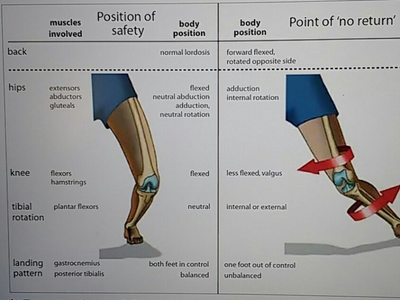
    for eg:- A basketball player, tall had a habit of playing quickly, but was not able to make quick turns, had a history of knee injuries for which treatment was done. on examination, the jump analysis showed that the player had a habit of letting the knees collapse, which in turn shows poor hip control. Accordingly, a glute activation and strengthening program were recommended along with correct jump landing drills.

    Biomechanics

    Faulty biomechanics correlated with increased strain on the ACL during different movement patterns and sporting activities with increased knee valgus being one of the strongest indicators of increased ACL injury risk…..what the last statement means is that when you are landing from a jump, the fact that your knee falls in is one of the biggest predictors that you might get an ACL tear

    Compliance

    Compliance with the performance of an ACL prevention program is vital to the ability of the program to be successful at reducing injury rates. Compliance greater than 66% resulted in an ACL injury reduction rate of 82%. However, when the compliance rate dropped to less than 66%, the ACL injury reduction rate dropped to 44%. Currently, compliance is subject to a large degree of heterogeneity in literature, and the need to have a uniform definition is needed.

    Dosage

    Frequent participation in an ACL prevention program decreases the risk of ACL injury. Most studies agree that each session should be between 20 and 30 min and should be performed several times per week. Optimally, they should be initiated in the pre-season and continued throughout the season to attain the full effectiveness of the program.

    Feedback

    Many studies included some type of feedback, and whether verbal or visual, a decrease in ACL injuries has been shown. Feedback can be in the form of verbal cueing from a coach or a training partner, but can also be visual as in a training video. Feedback should also come in the form of an external focus versus an internal focus. External focus is directed toward the outcome or effects of the movement, assists the automation of movements, and accelerates the learning process. When teaching proper landing mechanics, an external focus command would be, “Try to bring your knees as close to the outside walls as possible when you land”. Internal focus is directed toward specific movements, such as “keep your knees out,” and this constant focus on correct movement can lead to a reduction in athlete’s motivation. Thus, it is recommended that a feedback system be implemented in an ACL prevention program with an external focus.

    Exercise Variety

    ACL injury prevention programs that included a variety of different exercises have a greater incidence of decreasing injury risk versus programs that include only one type of exercise or component (plyometric, balance, strengthening). These exercises can be mainly classified into three different components: plyometrics, neuromuscular training, and strength training. All three have been utilized as stand-alone programs or have been combined to create comprehensive prevention programs.

    check out these 10 simple exercises to improve balance

  • Why Do You Get ACL Injuries

    Sometimes knowing just why do you get ACL injuries can help u clear your mind and take the next step well. The reason I came up with a separate article on why do ACL injuries occur is that I’ve met more than 100 clients who experienced confusion, mind fogging or anxiety post their injury and were not able to decide what next step to take.

    obviously when you incur the injury at first pain and swelling and disability make thinking a little difficult and trust me not know what to do can delay the treatment options.

    Another reason why one must know why do these injuries occur so frequently is for the prevention of ACL injuries. Today, science has given us data, which helps us predict what all factors can lead to ACL injuries. using this information, physios design a prehab program for athletes who are prone to ACL injuries and help saving healthcare costs for that particular team.

    <

    FACTORS INCREASING SUSCEPTIBILITY TO ACL INJURIES:- 

    Gender bias:-

    Female athletes have been reported to sustain non-contact ACL injuries at a rate two- to eightfold greater than their male counterparts. Many explanations for the increased risk of injury to female athletes have been proposed, including increased knee valgus or abduction moments, generalized joint laxity, knee recurvatum, ACL size, and the hormonal effects of estrogen on the ACL

    Improper force generation of quadriceps and hamstrings:-

    when the two thigh muscles namely; Hamstrings and Quadriceps contract together, they create a protective compression force on the knee joint which helps prevent ACL injuries. research has identified that lack of this force generation has lead to ACL tears.

    Frontal Plane Motion


    (more…)

  • ACL Injury

    Knee injuries, especially the anterior cruciate ligament (ACL)  injuries, are a potentially devastating problem among athletes and impose substantial time loss in a player’s career and financial burdens on athletes’ families and the healthcare system. In this blog we intend inform about exercises for ACL recovery as well.

    ACL INJURY STATISTICS:-

    This study of level 4 evidence conducted on Indian athletes revealed that ACL injuries compromised 86.5% of all the knee injuries. (1)

    WHAT IS ACL INJURY?

    ACL is one of the central knee ligaments which is responsible for maintaining the knee stable during various activities. The ligament may be completely torn, partially torn, or avulsed from its origin or insertion. The ACL is the primary restraint to excessive anterior translation and rotation of the tibia on the femur. (4) It is one of the most common injuries worldwide, which usually may occur along with other structures in the knee.

    CAUSES OF ACL INJURY

    This injury may occur while playing sports like football, rugby, cricket, kabaddi, basketball, and handball or may occur due to trauma. The incidence rate is higher in women compared to men, the reason being wider pelvis, hormonal changes, and weak neuromuscular co-ordination issues. (1) Complete ACL disruption typically results in dynamic knee instability or the inability to respond to quick changes in position. (4)

    ACL ligament exercises are usually based on all these points which are guided by our expert physiotherapist. we recommend you to sign up for physio for ACL tear with us for the best results

    ACL INJURY MECHANISM:-

    Figure 1: Tackled by another player leading to vagus load

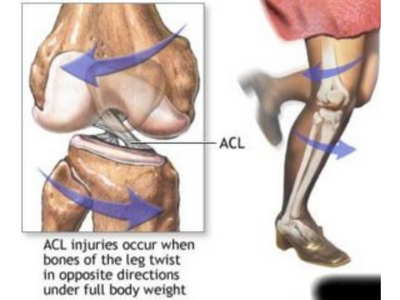
    The mechanism by which an ACL injury or a tear can occur can be traumatic or non-traumatic. Nontraumatic mechanism is faulty landing from a jump, sudden turns, and sudden stops while sprinting. Traumatic could be tackled from fellow players or accidents.

                                                                 Figure 2 Faulty jump landing.

    other than the mechanisms, it is important to look into Movement factors increasing susceptibility to ACL Injuries.

    (more…)

  • Acute Injury Management

    Musculoskeletal or sports injuries are injuries that happen when playing sports or exercising.

    There are two kinds of injuries:

    acute injury mgmt

    • Chronic injuries happen after you play a sport or exercise for a long time.

    The first 24-48 hours after sustaining a soft tissue injury are crucial in ensuring the best outcome for healing.  As a general rule, management for most injuries is as simple as remembering two simple acronyms – RICER and HARM.

    The objective of RICE is to stop the injury-induced bleeding into the muscle tissue and thereby minimize the extent of the injury. Clinical examination should be carried out immediately after the injury and 5-7 days after the initial trauma, at which point the severity of the injury can be assessed more reliably.

    Use RICER!

    RICER stands for Rest, Ice, Compression, Elevation, and Refer. RICER highlights 5 simple methods to reduce pain and promote healing.

    Rest – Initially, the objective for healing any soft tissue injury is to minimise swelling and bleeding. Reducing movement, and in some cases immobilising the injured area, is one of the simplest methods to reduce further injury and promote healing 6.

    Ice – Cooling the injured area serves to slow down tissue metabolism 1,2,4. It may cause contraction of blood vessels which will slow down blood flow and assist with reducing swelling 1,2,4. Ice can also provide a temporary numbing effect to assist with short-term pain relief as well as 1,2,4. Ensure that intense cooling is not applied directly to the skin to minimize the potential for skin burns. Applying ice following common injuries such as Rotator cuff tear, Hamstring Strain or Ankle Sprains is usually a good start.

    Compression – Compressing an injured area can have a direct effect on swelling. Applying a bandage to the area can help to limit the amount of bleeding that occurs in an isolated area 3. Caution needs to be taken to ensure that any compressive bandage is firm, however, does not reduce the normal circulation to the area.

    Elevation – Elevating the injured area will also serve to reduce the collection of fluid to the area by limiting the effect of gravity 6. For foot or leg injuries, lying with the injured area elevated above the level of the pelvis with the use of pillows is an easy start.

    Refer – While RICER helps promote healing in the early stages of injury to get the right diagnosis you need to see an appropriate health professional; say a physiotherapist! Here at Physiocure, we can give you an accurate diagnosis and also help plan a return to the sporting field.

     Usually, the treatment of injured muscles should be carried out by immediate immobilization of the injured muscle (clinically, relative immobility/avoidance of muscle contractions). However, the duration of immobilization should be limited to a period sufficient to produce a scar of sufficient strength to bear the forces induced by remobilization without re-rupture and the return to activity (mobilization) should then be started gradually within the limits of pain.

    At Physiocure we aim at, early return to activity, which is needed to optimize the regeneration of healing muscle and recovery of the flexibility and strength of the injured skeletal muscle to pre-injury levels. Our rehab programs are built around progressive agility and trunk stabilization exercises, as these exercises seem to yield a better outcome for injured skeletal muscle than programmes based exclusively on stretching and strengthening of the injured muscle.

    Braces

    Braces and splints can be useful for acute injuries, chronic conditions, and the prevention of injury. There is good evidence to support the use of some braces and splints; others are used because of subjective reports from patients, relatively low cost, and few adverse effects, despite limited data on their effectiveness
    They can be used to immobilize an unstable joint or fracture, to unload a portion of a joint and improve pain and function, to eliminate range of motion in one direction, or to modify range of motion in one or more directions. They do not replace a good rehabilitative program, and the entire spectrum of treatment options should be explored and used as needed.

    For acute injury or during a post-operative period, common braces include:
    • walking cast
    • wrist splint
    • ankle brace
    • knee brace
    • finger/toe splints
    • casts (hard and removable)

    An accurate diagnosis of the injury is important in determining whether a brace or splint is indicated. Generally, splints are for short-term use. Excessive, continuous use of a brace or splint can lead to chronic pain and stiffness of a joint or to muscle weakness. However, long-term use of some braces, such as a knee unloader brace, can help prevent the progression of pain attributable to osteoarthritis of the knee.

    Avoid HARM!

    HARM stands for Heat, Alcohol, Running/ exercise,and Massage. HARM represents 4 factors that you should avoid in the early stages of injury in order to maximise healing and recovery. While RICER focuses on minimising bleeding and swelling, HARM covers factors to avoid – all of which will increase circulation to the damaged area.

    Heat – Heat will cause blood vessels to dilate which in turn will increase the flow of blood to the area. Avoid hot baths, showers, saunas, heat packs, and heat rubs.

    Alcohol – Similar to heat, alcohol has an effect of dilating blood vessels, which in turn will increase the flow of blood to the area. Alcohol can also mask pain and the severity of the injury, which may put you at greater risk for re-injury 7.The alcohol effects on sports performance depend on the type and dosage of alcohol, acute vs chronic administration, the alcohol elimination rate as well as the type of exercise. Avoid drinking alcohol in the initial stages of healing any injury.

    Running/exercise – An increase in heart rate increases the flow of blood around the body. This will cause blood to accumulate in the area faster. Take the opportunity to rest.

    Massage – Massaging the area, once again, will stimulate the flow of blood to the area. Avoid massage in the initial stages of injury.

    References:

    1.  The use of ice in the treatment of acute soft-tissue injury.
    2. Cryotherapy for acute ankle sprains: a randomised controlled study of two different icing protocols.
    3. Brukner B, Khan K. Clinical Sports Medicine: Third Edition, McGraw Hill, Australia Pty, Ltd. 2007.
    4. Muscle injuries: optimising recovery. 
    5. The effect of exercise, alcohol or both combined on health and physical performance.
    6. Braces and Splints for Musculoskeletal Conditions


  • Shin Splints

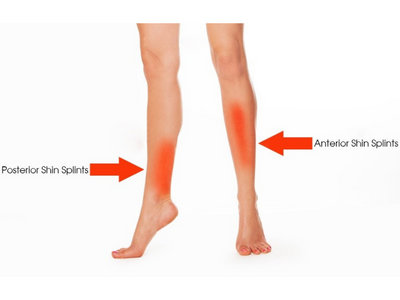
    Shin splints are usually caused more commonly in athletes. Clinically, it is also called a Medial Tibial Stress Syndrome’. Shin splints are pain that commonly occurs either in the front part or the inner part of the lower leg.                                                                   

    Shin splints pain causes are as following:-

    1. Flat foot
    2. Training errors including improper strengthening, pre-stretch or warm-ups
    3. Shoe design
    4. Type of road/surface
    5. Reduced bone mineral density
    6. Lack of appropriate recovery time

    The most common group of muscles implicated in shin splints are tibialis anterior, tibialis posterior, flexor digitorum longus, and soleus. These are the muscles that are present from below the knee and attach to the ankle joint and hence, also affect function at the ankle joint. Thus, if shin splints are not treated, they may cause long term changes in the biomechanics of your knee and ankle joint leading to other related problems.

    What are Shin Splints Symptoms:-

    Pain either in the front of your leg or the inner aspect of the calf. It is usually a dull aching pain that increases further with activity. Usually occurs during or immediately after the run and goes away if warm-ups are done. A lot of my clients ask

    Will shin splints cause swelling?

    My answer is yes and yes….first yes for mild swelling caused due to friction, second yes is for the occasional swelling in adjacent joints like in the ankle joint or the knee joint.

    Shin Splints Vs Stress Fracture:-

    If your symptoms are widespread and achy in nature, rather than a sharp pain, it could be a simple soft tissue injury. Generally, soft tissue injuries will respond well to the following:

     Ice therapy (15 mins a day, 2-3 times per day)

     Anti-inflammatories

     Stretching exercises

     Prescriptive loading exercises from a physiotherapist

     Offloading (no running)

    However, if you’re also experiencing the following, it could be a stress fracture, one of the most common worries for athletes:

     Pain at rest

     Significant increase in severity of pain with impact (weight-bearing > walking > running)

     Pain at night time

     Focal pain at a specific site along the bone

    then you must consult an orthopedic ASAP!!

    Red Flags:-

    Visit a physician immediately if you experience the below:

    1. If pain is at just one spot on the shin, it could be a stress fracture.
    2. If there is swelling, skin becomes shiny and there is excruciating pain, it could be leading up to compartment syndrome.

    Examination:-

    A proper detailed history of the conditions leading to the symptoms is to be known. For athletes, details about the training program are taken.

    The muscle strength and flexibility around the ankle and lower leg are to be evaluated. Your ankle, knee, and gait biomechanics are evaluated, and then accordingly, a treatment program is made.

    Treatment:-

    Initially, efforts are made to reduce the swelling and tenderness present. This can be done on Acute injury management principles using a combination of rest with cold therapy. Other electrotherapy modalities like TENS, iontophoresis, or ultrasound. Kinesiotaping is also used to provide rest to the muscles and for pain relief.

    Once the pain subsides, gentle stretching and strengthening exercises for the appropriate muscles are started. This is necessary to maintain the flexibility and to improve the biomechanics of the joint which was caused due to muscular dysfunction.

    here is one of the shin splints exercises to improve ankle mobility that we recommend for runners/athletes experiencing this injury. check it out!!

    Along with this, fascia and soft tissue release are also done to relieve any increased pressure within the leg and avoid further swelling. A proper strengthening program for the entire lower extremity including the core is essential and it helps in maintaining a proper posture and balance during running, jogging, etc.

    Later, progression is made to neuromuscular functional training which improves muscular dysfunction.

    Tips to prevent shin splints:

    1. Appropriate rest is to be taken before the next physical exertion.
    2. Regular foam rolling and/or self release using a tennis ball or a roller is a must for professional athletes.


    1. Increase ankle joint strength and flexibility through a training program
    2. Proper shoes are important and they should be reviewed every six months.
    3. It takes approximately 3-6 weeks to recover depending on the severity. So, early return to sports before this period may lead to development of chronic shin splints.

  • Knee Cap Cartilage Tear

    Chondromalacia patellae is a condition affecting the knee cap (also known as the patella bone) at the knee joint which results because the cartilage of the knee cap softens and undergoes wear and tear.

    Pain & crepitus are most often experienced in and around the knee cap. You may experience difficulty in walking, running, climbing or descending stairs due to pain. This condition is seen more commonly in women than in men.

    How does chondromalacia patellae occur?

    1. The positional fault of the knee cap
    2. Steroid injection at the knee leading to weakening of the articular cartilage
    3. Osteoarthritis at the knee joint
    4. Trauma
    5. Post-surgical knee immobilization
    6. Obesity
    7. Overuse injuries, usually seen in athletes

    symptoms:-

    Anterior knee pain is the most common chief complaint of patients with chondromalacia. This pain is usually made worse with activities that increase the stress on the patellofemoral joint, for example, stair climbing, squatting, and running.

    What activities must I avoid and for how long?

    The best treatment is to avoid activities that compress the knee cap on the joint. This means avoiding going up and down the stairs and hills, deep knee bends(squats), kneeling, step aerobics, and high impact exercises(jumping, sprinting, etc). Do not wear high-heeled shoes. Do not exercise sitting on the edge of the table lifting leg weights (knee extension).

    Sports that aggravate chondromalacia patella are:

    1. Volleyball
    2. Basketball
    3. Soccer
    4. Distance running
    5. Raquet-ball
    6. Squash
    7. Weight lifting
    8. Occasionally cycling

    How can you prevent it?

    In regular individuals or athletes, an exercise program to maintain on the overall leg strength and mobility should help in preventing this problem. In athletes, sports specific activities leading to increased wear and tear of knee cap should be examined and corrected by the appropriate coaches/trainers.

    How Physio helps?

    A Physiotherapy treatment program is based on correcting the mechanics of the knee and help in reducing pain and disability.

    Are pain medications not enough?

    Pain medications will certainly help in reducing pain but will not help correct the faulty mechanics at your knee. This may lead to frequent recurrence of the problem. Therefore, physiotherapy becomes an important part of the treatment.

    What does the treatment process involve?

    The treatment process includes correction of certain lifestyle factors affecting pain (weight, daily activities, footwear and many more). A combination of electrotherapy, Kinesiotaping and soft tissue mobilisation/dry needling is done along with neuromuscular retraining exercises.

    What kind of knee support can you use?

    Elastic knee cap with a small opening in the front for the knee cap

    What immediate treatment can I do to reduce pain/ swelling?

    Icing over the front of the knee joint for 10-15 mins helps.

    References:-

    1. Chondromalacia Patella