Tag: sports assesment

  • What Examination To Expect In A Physio Clinic ?

    This is a very common question that haunts a lot of people who visit a physio clinic for the first time or are visiting us for the first time. As an experienced therapist, i believe, a proper examination will , not just on the first visit but on each and every visit , helps us identify the problem areas , help chart out the course of treatment and  inturn help design the best possible rehab plan for your existing issues.

    Why does a physio need to examine, when the ortho has already given the diagnosis?

    this is a very common question i’ve heard from only couple of my clients who got frank about their view about physiotherapy practices. so here is my explanation. when a physio examines a client with a neck pain or low back pain or knee pain, we are looking at structures involved in causing the dysharmony in the movements and how they can be corrected.


    This is why clinical expertise in assessing the problem is important. through experience ,the physio can identify the structure contributing to the pain, problem and design a treatment plan.

    On the first visit, we will analyse your history and current situation by understanding

    • Where you are having the problem
    • How did the problem start
    • How the problem is affecting your ability to do daily activities
    • Your past medical history and any medications you are taking
    • A detailed physical examination
    • Checking your posture
    • Examination of range of movement
    • Testing of movements specific to your problems & muscles strength

    Functional tests specific to your problem like balance, walking patterns or how you carry load

    Sometimes the assessment may be completed in 2- 3 sessions, depending on the severity of the pain or disability.

    Once the assessment is complete, a diagnosis is made and we usually explain the problem to the client and how it will be dealt with from our side.

    Quote

    “Either you can do guesswork, or examine the problem….we choose the later

    if you want to visit us fillout this form and mail it on info@physiocure.in

    General Assessment Form

    follow us on insta to get regular updates about our work and understand how we carry assessments in certain clients.

    https://www.instagram.com/p/B9qZhcNAJmn/
  • Overhead Squat Assesment

    Are you a sports professional, an athlete, or a fitness freak, do you succumb to lower-body injuries very easily or do you want to correct your body alignment???

    How can a squat assessment help you?

    Basically, a squat assessment can help us gauge

    • the possibility of deficiency in mobility in the hip, knee, or ankle joints.
    • secondly, it helps us identify muscle weaknesses in the lower back, hip, or ankle which have a scope of improvement.
    • thirdly it could be contributing to an injury that would develop on practicing a wrong form of squat.
    • lastly, you can get it done to get the form right from the beginning itself or if you are gyming after an injury or surgery in the lowerbody.

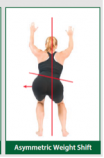
    squat could look like this when observed from behind but you may not be able to

    asymmetric squats
    asymmetric squats

    understand the faults. this fault is very common with individuals recovering from a knee injury or a knee surgery, so as an experienced physio I would advise you to get the assessment done for activating the correct neuromuscular pattern during the squat

    Just one simple test of Over Head Squat Assessment (OHSA) can highlight the shortcomings in your form and help you perform better.

    The ability to squat is essential in life whether you are a sports person or just a regular person. You need to squat for your daily activities right from the age of 2 to 80 years old. A lot of patients come to us not knowing how to squat because of lifestyle issues, on the other hand, a lot of sports players, who come in for treatments have shown asymmetrical strength and weaknesses, we could identify through this simple test to help then recover completely from their back/hip/knee/ankle injury.

    When you are squatting, all the muscles in the linkage right from your toe to the spine to the shoulder and neck muscles must work in co-ordination and appropriately to produce an effective squat.

    An OHSA requires you to perform squats for around 5-10 reps and the form of your squats are assessed through 3 different angles

    if there are any faults in performing the squats, the same are identified and a correction program is made to help you perform better.

    faulty squat pattern- front view


    faulty squat pattern- side view

    fill in the OHSA form and come over to get yourself corrected. if you cannot we can do this assessment

    for you.

    PS:- OHSA is not the only tool, it forms a part of a group of the examination for various musculoskeletal/sports injuries.

    Overhead Squat Assesment form