As more and more people resort to running for health and fitness, so have the number of Running injuries increased. A visit to Physiocure we can help you educate with the foot types, shoe designs and a simple examination can reveal which foot type you run with and is your current running shoe good enough.

When we happened to interact with our professional runners on how they choose their shoes, we were not surprised at all. Most consumers are nowadays visiting the sports shoe showrooms and are made to walk on the treadmill, a foot scanning is done and then the shoe is prescribed at least in metro cities in India, for smaller cities it’s more of what feels comfortable and what fits my budget.

A lot of people pick up running shoes based on
- available discounts,
- latest styles or
- they are consulted by so called “storeroom shoe prescription experts” into buying the motion controlled or pronation control type footwear.
this is common and is not always bad, but really it is a matter of concern. after 12 years of practice, I believe, a low arch, motion-controlled shoe, a high arch are secondary factors that contribute to running injuries, and its just a “fear-based marketing approach” to sell new, highly-priced running shoes
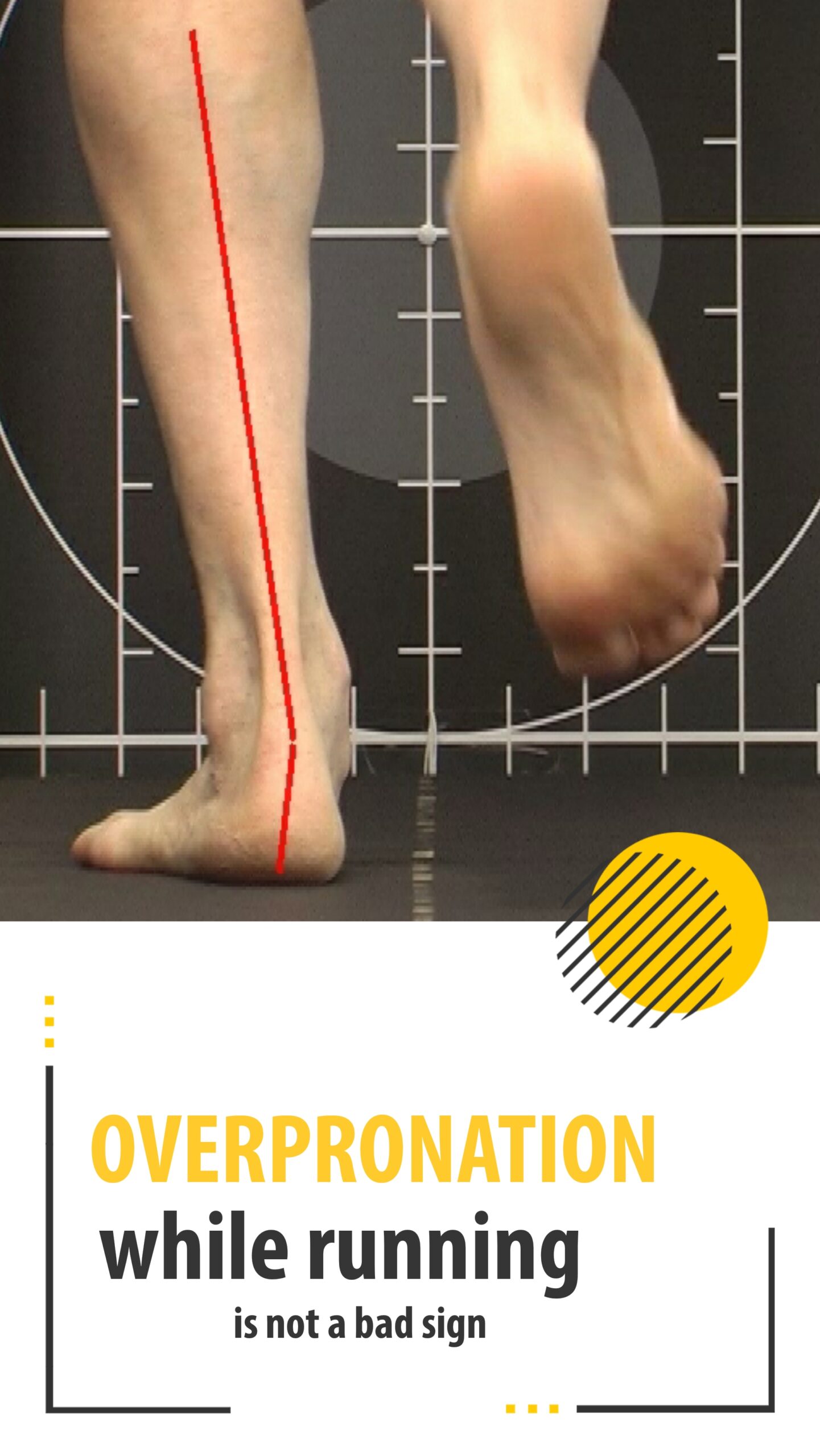


Before you go for the new shoe selection trip to these stores again, ask yourself these questions:
- Would you take the advice of a person trained by a marketing expert into explaining the foot scanning in these stores or your physio/health care provider?
- Did you check your foot type from a podiatrist/physio/health care provider or the sales guy at these stores?
- Has choosing shoes on based of feel, prevented your number of sports injuries.
- Is you running pattern in sync with the motion control shoes you’ve been offered.
- Is the sales guy really a shoe prescription expert?
- Was there something wrong with my last shoe or my running style or fitness?
What does research say??
Where can we find the truth, as physiotherapists? Peer-reviewed research is a fantastic source of information and can guide us to the truth when it comes to what Running shoe is best for our patients.
It was once believed that those with low arches should wear “motion-control” shoes which are designed to be more rigid. Those with a more neutral or “normal” arch should be placed in “stability” shoes, and those with a high arch should be placed in more cushioned, “neutral” shoes.
Despite common “knowledge” in the running community, selecting a shoe based on arch-height does not lead to reduced injury (1).
Another misnomer commonly used for shoe prescription indicates that excessive pronation of the foot and ankle leads to injury, so shoes should be fitted to reduce pronation.
Current research is inconsistent and conflicting but has not shown a strong correlation between “excessive” pronation and injury (2, 3).
Pronation or foot posture can not confidently be used as an indicator for shoe prescription, barring further research.
What about “minimalist” shoes?
Once again, not enough research has been completed to confidently say that wearing minimalist shoes leads to reduced injuries. Minimalist shoes are designed to mimic running barefoot, resulting in a foot-strike closer to forefoot (4). This “strike-pattern” is linked to reduced forces placed through the shin bone ( a.k.a thetibia) and the knee.
Also, running barefoot actually has been shown to reduce ground-reaction forces through the leg, when compared to running with neutral shoes (5).

As discussed, much of the “common knowledge” about Running shoe selection is either false or has little evidence to support it. So, what is the best way to recommend shoes?