Tag: physiocure

  • Riding the Road to Relief: Managing Back Pain for Bikers

    Introduction

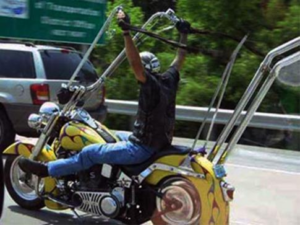
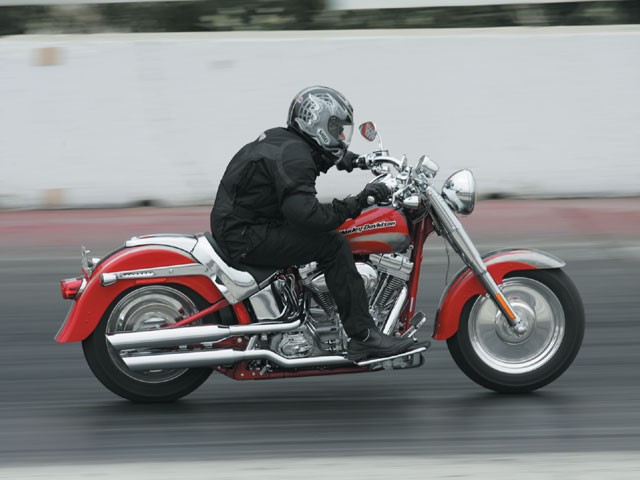
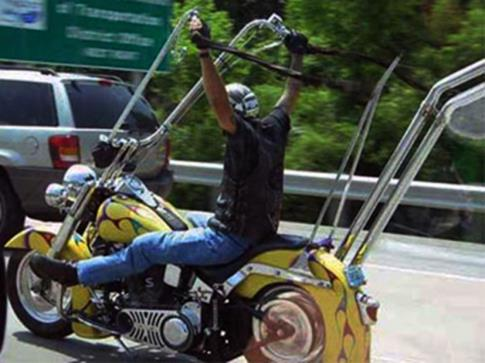
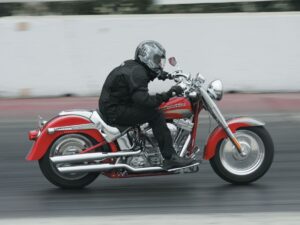
    Riding a motorcycle is an exhilarating experience, offering a sense of freedom and adventure that’s hard to replicate with any other mode of transportation. However, like any physical activity, it comes with its share of challenges, and one common issue faced by bikers is neck and back pain. Prolonged rides and improper posture can take a toll on your body, but with the right knowledge and strategies, you can minimize and even prevent this discomfort. Another, common issue faced by many riders is wrist pain. Long hours gripping the handlebars can lead to discomfort and, in some cases, more serious wrist-related problems. In this article, we’ll explore the causes of neck , back and wrist pain among bikers and offer tips on how to prevent and alleviate it.

    Understanding the Causes:-

    1. Poor Ergonomics: Motorcycles are designed for performance and aesthetics, but not necessarily for ergonomic comfort. Firstly, the seating position, handlebar height, and footpeg location can vary widely between different models. This variation often results in improper alignment of the spine, leading to pain. Secondly,  ill-fitting handlebar positions and grips can put undue strain on the wrists.
    2. Vibration and Shock: Riding a motorcycle exposes you to vibrations and shocks from the road, which can lead to muscle fatigue, especially in the hands, wrists, back and neck.
    3. Prolonged Posture: Long rides can force bikers into a static posture for hours. Maintaining the same position for extended periods of time can strain the muscles and lead to pain. Additionally, holding onto the handlebars for extended periods can result in pressure on the wrists, which may lead to discomfort and pain.
    4. Helmet Weight: Helmets are essential for safety, but they can be heavy and put extra strain on your neck and upper back, especially during long rides.
    5. Inadequate Grip: Gripping the handlebars too tightly or with improper technique can exacerbate wrist pain. Especially, small hands with long lever reach or wide diameter grips. Or, a handlebar position might be uncomfortable for one person using someone else’s bike, and not another.


    Preventing Wrist, Neck and Back Pain:-

    1. Choose the Right Bike: When shopping for a motorcycle, consider the ergonomics and fit. Test different models to ensure your body is comfortable when sitting on the bike. Adjustable handlebars and seats are a plus.
    2. Adjust Your Riding Posture: Maintain an upright posture with your back straight and your elbows relaxed. Avoid hunching or leaning too far forward.
    3. Install Ergonomic Accessories: Invest in accessories like handlebar risers, seat cushions, or foot peg extensions to optimize your bike’s ergonomics.
    4. Take Breaks: Schedule regular breaks during long rides. Stretch and walk around to relieve muscle tension and improve circulation.
    5. Wear a Light Helmet: Opt for a lightweight, well-fitting helmet to reduce strain on your neck and upper back.
    6. Strengthen Your Core: A strong core provides better support for your spine. Incorporate core-strengthening exercises into your fitness routine to improve posture and stability.
    7. Maintain a Relaxed Grip: Hold the handlebars with a relaxed grip. Avoid gripping too tightly, as this can contribute to wrist pain. Use your core and legs to support your upper body weight, rather than relying solely on your hands.
    8. Use Proper Technique: Maintain a neutral wrist position to minimize stress on the joints. This means keeping your wrists straight, not bent forward or backward.


    Tips to avoid too much pressure on the wrist while riding:-

    1. Lighten up on the grip/ avoid over-gripping the bars.
    2. Put less weight on wrists. Hold weight up with core abdominal and leg muscles.
    3. Bring a small rubber or tennis ball on long rides and squeeze it on breaks
    4. Keep hands relaxed, upper body loose, only lightly touching and steering the bars.
    5. Grip the gas tank with your knees to keep weight off your wrists. Ditto for foot pegs.
    6. Shake out hands out every half hour or so.
    7. Flip the cruise control on and rest one hand at a time in your lap.
    8. Squeezing/pumping the hands to release muscle tension.
    9. Remove rings before venturing out.
    10. Increase exercise off the bike in order to Improve overall fitness and core strength.
    11. Place hands backward to stretch fingers the opposite way for 5-10 seconds.
    12. Move your hands out beyond the end of the grips and rest your pinky finger on the bar end.


    General tips for Wrist, Neck and Back Pain:-

    1. Stretch and Mobilize: After a ride, stretch your wrist, neck, back, and shoulders to relieve muscle tension. Gentle exercises like simple wrist circles, neck tilts and shoulder rolls can be helpful. At Physiocure, we can help you devise a perfect stretch and strengthening program to egt rid of these aches and pains.
    2. Heat and Cold Therapy: Apply a warm compress or use a heating pad to relax tense muscles. Apply ice packs to reduce inflammation and pain immediately after a ride. For chronic pain, use a heating pad to relax the muscles and improve blood circulation.
    3. Over-the-counter medications: Non-prescription pain relievers like ibuprofen or acetaminophen can provide temporary relief. Consult a healthcare professional for proper dosing.
    4. Massage and Physical Therapy: Consider regular massages or physical therapy sessions to alleviate chronic pain and improve mobility. With Regular Physiocure appointments throughout the year, you assure yourself with no major setbacks and ride pain free.
    5. Maintain Good Posture: Be mindful of your posture both on and off the bike. Proper posture can go a long way in preventing and reducing neck and back pain.

    Conclusion:

    Wrist, Neck and back pain are common issues among bikers, but they are shouldnt stop you from enjoying your rides. With the right awareness and strategies, you can prevent and alleviate discomfort, allowing you to fully enjoy your motorcycle rides. By understanding the causes of wrist or neck or lower back pain and implementing preventative measures, you can minimize the risk of serious injuries to these areas.

    Remember that it’s essential to prioritize safety and comfort when selecting your motorcycle and gear. If you experience persistent pain, consult a professional Physiotherapist to address any underlying issues and receive personalized treatment recommendations. Safe riding and a pain-free journey await those who take care of their bodies while hitting the open road.

    Hope This information helps

    Regards,

    Kunjal Shah


  • 10 Pain-Relief Hacks for Athletes & Active People — A Sports Physiotherapist’s Evidence-Based Guide (2025 update)

    Who this is for: weekend warriors, club athletes, and competitive players in tennis, cricket, squash, badminton, football, and pickleball who want practical, safe, and evidence-backed ways to reduce pain and speed recovery.

    How I built this: I prioritized high-quality systematic reviews and meta-analyses published in 2024–2025, plus recent clinical reviews. Each “hack” has a short explanation, the best evidence summary, and immediate practical steps you can use right away.

    1) Smart Load Management & Graded Exercise (the foundation)

    What it is (short): Instead of “push through pain,” use graded loading — progressive, sport-specific loading that restores tissue tolerance while avoiding overload.

    Why it works (evidence): Recent meta-analyses and systematic reviews show exercise therapy and graded loading are the most consistent, effective interventions for musculoskeletal pain and tendinopathy outcomes (pain and function). Exercise-based programs improve long-term disability and pain compared with passive care or no treatment. (PubMed)

    Practical steps (for athletes):

    • For tendon pain (e.g., Achilles, patellar, lateral elbow): start with isometric holds (pain-controlling) then progress to eccentric/slow heavy loading per validated protocols; adjust dose by pain tolerance and function.
    • Track loads (minutes, reps, sprint distance) and reduce volume by ~20–30% for 3–5 days after spikes in pain or training load.
    • Use pain as a guide, not an absolute stop rule: mild-moderate pain (≤3/10) during exercise that settles within 24h is often acceptable; avoid increasing baseline pain over time.

    Useful reads: systematic reviews on exercise therapy and tendinopathy protocols. (PubMed)

    2) Tendinopathy — Dose the Loading (eccentric/isometric + progressive resistance)

    What it is: Specific loading protocols (isometric, eccentric, then progressive high-load resistance) for tendon pain.

    Evidence highlights: Multiple 2024–2025 analyses confirm exercise dosing matters — eccentric and heavy slow resistance protocols reduce pain and improve function for many tendinopathies; dose components (load, volume, tempo) influence outcomes. Some comparative reviews show mixed ranking by outcome, but consensus favors progressive heavy loading. (British Journal of Sports Medicine)

    Sport notes: Tennis/shot-put/cricket bowlers (shoulder/epicondyle) and badminton (Achilles or patellar) respond well to tailored tendon loading programs integrated with technical and on-court conditioning.

    Quick plan (clinic → home):

    • Week 1: pain-controlling isometrics (5 x 45–60s, 1–2×/day)
    • Week 2–3: eccentric-focused loading (3 sets × 15 reps, slow 3–4s lowering)
    • Weeks 4+: progressive heavy slow resistance (3 sets × 6–8 reps, heavier, slower tempo)

    Sources: clinical review + meta-analyses on tendon loading. (British Journal of Sports Medicine)

    3) Blood Flow Restriction (BFR) Training — low load, big effect
    What it is: Training with a cuff that partially restricts venous return to muscle so very low loads produce hypertrophy and strength improvements.

    Evidence highlights: Recent 2024–2025 meta-analyses show LL-BFR and HL-BFR can reduce joint pain during rehab and produce strength gains comparable to high-load training — useful when heavy loading is temporarily contraindicated (e.g., early rehab or painful joints). There’s growing high-quality evidence showing short-term pain reductions when combined with low-load exercise. (PMC)

    Safety & practical notes:

    • Use licensed cuffs or BFR devices and follow pressure guidelines (individualized cuff pressure is safer).
    • Typical programs: low load (20–30% 1RM), 4 sets (30/15/15/15 reps), 2–3×/week.
    • Ideal for recovering athletes who need strength without high mechanical joint stress.

    Key reads: meta-analyses and reviews on BFR effects on pain and strength. (PMC)

    4) Sleep & Pain: optimize sleep to reduce pain sensitivity and injury risk

    What it is: Prioritize consistent, sufficient sleep (7–9 hours) and sleep hygiene.

    Evidence highlights: Recent narrative reviews and meta-analyses show poor sleep worsens pain perception, impairs recovery, and increases injury risk. Sleep optimization improves recovery markers and reduces susceptibility to pain amplification. (PMC)

    Practical sleep hacks:

    • Set consistent sleep/wake times across the week.
    • Avoid heavy training 1–2 hours before bedtime; if late sessions are needed, use cool-down routines to downregulate arousal.
    • Short naps (20–30 min) can help during heavy training periods but avoid long late naps that impair night sleep.

    Read more: impact of sleep on athletes and performance. (PMC)

    5) Nutrition & Supplements — omega-3s and anti-inflammatory diet

    What it is: Diets and targeted supplements to support inflammation resolution and muscle recovery.

    Evidence highlights: Reviews 2023–2025 suggest omega-3 supplementation (EPA/DHA) can attenuate biomarkers of muscle damage and may reduce delayed onset muscle soreness (DOMS) and post-exercise inflammation in some studies — not a magic bullet, but useful adjunct when combined with other strategies. Balanced protein intake and anti-oxidant-rich foods are also supportive. (PMC)

    Practical guidance:

    • Aim for 1.2–2.0 g/kg protein/day for most athletes (spread across meals).
    • Omega-3 dosing used in trials: 1–4 g combined EPA+DHA daily for several weeks — check with a sports doc if on blood thinners.
    • Emphasize whole foods (lean proteins, oily fish, fruits, veg, whole grains).

    Sources: systematic reviews on omega-3s and exercise-induced muscle damage. (PMC)

    6) Cold Therapy & Hydrotherapy — when to use it (and when not to)

    What it is: Cold water immersion (CWI), whole-body cryotherapy, contrast water therapy to reduce DOMS and perceived soreness.

    Evidence highlights: Network meta-analyses and reviews (2023–2025) show CWI (10–15 minutes, ~11–15°C) is effective for reducing DOMS and subjective soreness, and whole-body cryotherapy may help neuromuscular recovery. However, immediate post-exercise cold may blunt hypertrophy signaling if used chronically around strength training — so match modality to the goal (recover faster vs stimulate adaptation). (PMC)

    Practical rules:

    • For tournament play or quick repeat sessions: use CWI (10–15 min at 11–15°C) to reduce soreness and improve short-term recovery.
    • During a hypertrophy/strength block where adaptation is the goal, avoid routine immediate cold after heavy lifting sessions.
    • Contrast therapy or active recovery (easy cycling) are alternatives for circulation and comfort.

    Sources: meta-analyses on CWI and cryotherapy. (PMC)

    7) Topical Analgesics & Judicious NSAID Use

    What it is: Use topical NSAIDs/gels for localized pain and reserve systemic NSAIDs sparingly.

    Evidence highlights: Reviews and guidelines show topical NSAIDs provide local pain relief with fewer systemic side effects and faster onset for acute musculoskeletal pain compared to placebo. Systemic NSAIDs can be useful short-term but may have side effects and potentially interfere with tissue healing if used long-term. (PMC)

    Practical tips:

    • Try topical NSAID (e.g., diclofenac/ketoprofen gel) for localized joint/muscle pain before systemic agents.
    • Limit systemic NSAID use (oral) to short windows and under medical advice, especially in athletes with repeated use.
    • Always consider anti-inflammatory strategies (sleep, load modification, nutrition) alongside medication.

    Sources: clinical guidelines and meta-analyses on topical NSAIDs. (PMC)

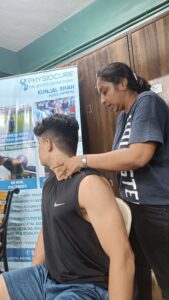
    8) Dry Needling & Manual Therapy — adjuncts, not stand-alone cures

    What it is: Dry needling (DN) for myofascial trigger points, kinesio taping, cupping, electrotherapy and manual therapy (mobilization) to reduce pain and improve function short-term.

    Evidence highlights: Recent systematic reviews/meta-analyses (2024–2025) show dry needling can reduce pain and improve pressure-pain thresholds for some conditions (e.g., neck pain, myofascial pain). It’s most effective as an adjunct to exercise and rehab, rather than as a single long-term solution. (PMC)

    How to use it (clinically):

    • Use DN to reduce pain and allow better participation in active rehab — combine with movement retraining and progressive loading.
    • Explain expected effects: pain reduction might be immediate but typically short-to-medium term; follow-up with strengthening/movement programs to build durable change.

    Sources: recent reviews on dry needling and manual therapy. (PMC)
     

    9) Neuromuscular Control & Movement Retraining (injury prevention + pain reduction)

    What it is: Targeted neuromuscular training (balance, plyometrics, hip/core control, deceleration mechanics) and integrative warm-ups.

    Evidence highlights: Meta-analyses demonstrate neuromuscular training programs (NMT) reduce injury rates and improve functional outcomes in team and racket sports; they also help correct movement patterns that perpetuate pain. Integrating neuromuscular training into warm-ups reduces injury risk substantially. (British Journal of Sports Medicine)

    Sport-specific examples:

    • Tennis/pickleball: shoulder and trunk control drills, deceleration training for serves.
    • Cricket: hip/core capacity for bowlers and batters to reduce lumbar and shoulder load.
    • Football: NMT warm-up (single-leg balance, hop-to-land training, eccentric hamstring work).


    Practical plan: 10–15 min daily or pre-training NMT warm-up (injury-prevention-style) 3×/week; supplement with progressive loading sessions.

    Sources: NMT meta-analyses and systematic reviews. (British Journal of Sports Medicine)

    10) Psychological Skills (mindfulness/CBT) & Pain Education

    What it is: Use pain education, mindfulness, and CBT tools to reduce pain catastrophizing and to improve coping and adherence.

    Evidence highlights: Recent meta-analyses show mindfulness-based interventions improve psychological outcomes and performance in athletes; cognitive behavioural approaches reduce pain and disability in musculoskeletal pain cohorts and help adherence to rehab. Combining physical and psychological approaches yields better outcomes than either alone. (Frontiers)

    Practical steps:

    • Pain education: brief, clinic-friendly explanation that pain ≠ tissue doom; set realistic recovery timelines.
    • 5–10 min daily mindfulness or focused breathing can reduce anxiety and perceived pain during rehabilitation.
    • Use brief CBT strategies for adherence and to reframe fear-avoidance beliefs (graded exposure).

    Sources: meta-analyses/reviews on mindfulness and CBT in athletes and pain. (Frontiers)

    Putting the 10 hacks together — a sample 7-day micro-protocol for weekend athletes (practical)

    This is a short template a club player might use in the week following a painful weekend match (e.g., groin/hamstring or shoulder ache):

    Day 1–2: reduce load (cut intensity by 30%), gentle mobility, isometric holds for problematic tendon/area, topical NSAID PRN. Use CWI after acute heavy soreness if you need to play again soon. Sleep focus, 20–30 min midday nap if needed.
    Day 3–5: progressive loading (isometrics → eccentric/slow heavy resistance depending on tissue), 2×/week BFR session if joint pain limits load, NMT warm-up before practice. Mindfulness/CBT 5–10 min daily.
    Day 6–7: return to sport-specific skill practice, monitor pain (no progressive worsening of baseline pain). Use topical analgesics post-session or CWI if immediate recovery needed.

    (Adjust the protocol per tissue: tendon vs muscle vs joint — earlier eccentric for tendinopathy, more neuromuscular control for joint issues.)

    Sport-specific pearls (tennis, cricket, badminton, squash, football, pickleball)

    • Tennis / Badminton / Squash / Pickleball (high-velocity shoulder/elbow): prioritize scapular stability, trunk rotation control, eccentric shoulder external rotator strength and tendon loading programs for lateral elbow or rotator cuff tendinopathy. Combine DN/manipulative therapy only to facilitate better participation in loading. (British Journal of Sports Medicine)
    • Cricket (bowlers & batters): focus on lumbopelvic control, graded bowling loads (overs) and planned ramp-ups; sleep and load tracking are huge for reducing recurrence. (PMC)
    • Football: NMT warm-ups reduce injury rates — include eccentric hamstring strengthening, landing mechanics and movement control. (British Journal of Sports Medicine)

    Limitations, cautions & clinical red flags

    • The best effects come from multimodal approaches (exercise + education + targeted adjuncts). No single “hack” is a cure. (PubMed)
    • Many 2024–2025 trials still have heterogeneity in protocols and participant groups; individualization matters.
    • If you have neurological signs (numbness, progressive weakness), unexplained swelling, systemic symptoms or severe night pain — see a clinician urgently.

    Selected key research links (2024–2025) — one citation list per hack (click the links in the original transcript)

    1. Exercise therapy & graded loading for pain/tendinopathy — Gonzalez-Gomez et al. meta-analysis (2025); reviews on exercise therapy. (PubMed)
    2. Tendon loading / eccentric & heavy slow resistance — BJSportMed clinical review & systematic reviews 2024–2025. (British Journal of Sports Medicine)
    3. Blood Flow Restriction (BFR) — Lin et al. (2025), Zeitlin (2025), Frontiers meta-analysis (2025). (PMC)
    4. Sleep & recovery — Narrative reviews and sleep effect studies (2024). (PMC)
    5. Omega-3 & nutrition — Fernandez-Lázaro (2024), MDPI review (2024), RCTs 2025. (PMC)
    6. Cold/Cryotherapy/CWI — Network meta-analyses and reviews (2023–2025). (PMC)
    7. Topical NSAIDs — Multidisciplinary guidelines & reviews (2023–2025). (PMC)
    8. Dry needling & manual therapy — Recent systematic reviews and neuophysiological analyses (2024–2025). (PMC)
    9. Neuromuscular training & injury prevention — BJSM and JOSPT meta-analyses (2024–2025). (British Journal of Sports Medicine)
    10. Mindfulness/CBT — Frontiers/BMJ/meta-analyses 2024–2025 on MBIs & CBT in athletes/pain. (Frontiers)
     

  • Movement Based Therapy

    movement impaitments

    What is this movement based therapy?

    Its 2020, we all are partly or completely urbanized and clearly we all need some guidance on how to move. Now thats where physio’s can play a crucial part apart from various other exercise science experts.

    Let me tell you how!!

    There are a lot of physio’s who can help solve your aches and pains by just advising the correct movements. like i said its 2020!  Have you heard of therapies to solve your problems purely based on movement corrections. we at physiocure practice few of them.

    Being into sports physio, I try to follow a mix of these various movement therapies to help all my clients with their injuries like Lowback pain, Headaches, neck pains shoulder impingements, knee pains, faulty postures etc

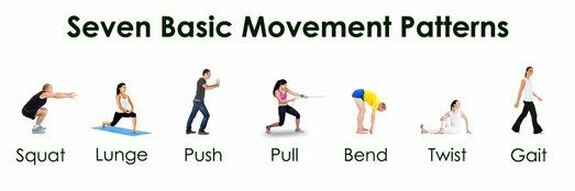
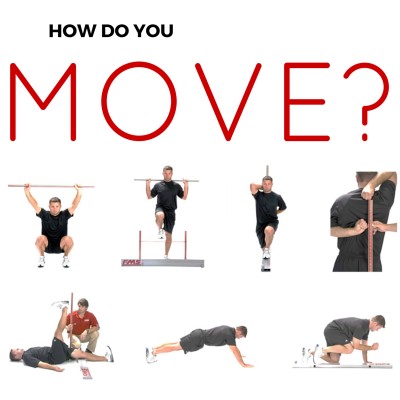
    These are based on functional movement screenings for example to check how are you moving in the 7 basic movements of human life.

    This therapy is not just restricted to treating your aches and pains. we as physiotherapists can also guide you and teach you correct way to do gym exercises by just examining once as to How do you move?


    Its called Functional movement screening. its very effective for active people as well as athletes.

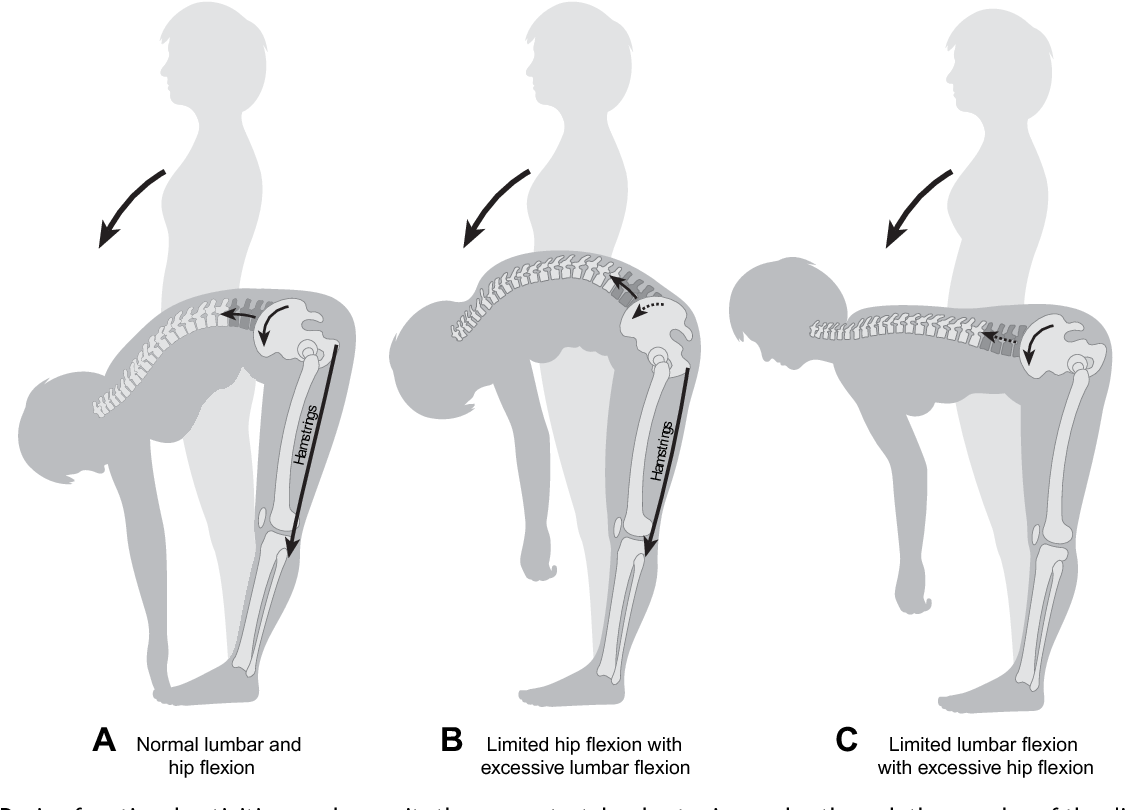
    For clients who are experiencing lower back pain or neck pain, I usually follow a therapy based on Dr Shirley sahrmanns Movement Impairments Syndromes. It has been so far very effective in treating more than 10,000 clients at the clinic for various spine problems in the past decade.

    What is Movement Impairment syndrome (MIS) ?

    In 2000, Shirley Sahrmann, a renowned physiotherapist  along with her colleagues introduced a new school of thought which uses examination of movements and identifying impairments which eventually help physiotherapists design treatment programs to treat musculoskeletal conditons like low back pain, neck pain, shoulder pain and  many more. The basic concepts of MIS are based on the following points.

    • Musculoskeletal pain syndromes are the result of cumulative micro-trauma from accumulation of tissue stress and irritation resulting from sustained alignments or repeated movements in a specific direction(s) associated with daily activities.
    •  the reason certain musculoskeletal pains develop because there has been minute trauma/stress on that tissue occurring for over years or a long time due to faulty adopted positions for your work or leisure.
    • The joint(s) that is moving too readily in a specific direction is the site of pain generation.

    As a result, the affected area will move excessively in a particular direction, for example a person who has been using a computer with a wrong ergonomic setup and adopting wrong postures for years will be able to poke his chin out much more than an individual who has just started and complain of occasional neck pain.

    • The readiness of a joint to move in a specific direction, i.e., the micro-instability, combined with relative stiffness, the neuromuscular activation pattern and motor learning contribute to development and persistence of the path of least resistance.
    •  The reason a joint can be moved excessively in one direction is the structures supporting it tend to stretch out and cannot be restored to normal length, the muscles surrounding that joint learn to function in a faulty manner and it ends up becoming the new normal position for that joint.
    • Treatment is based on correcting the impaired alignments and movements contributing to tissue irritation as well as correcting the tissue adaptations, such as relative stiffness, muscle weakness, and neuromuscular activation patterns.
    •  Once your physio is able to identify this impairment, the treatment is as simple as correcting that impairment via corrective exercises and allowing the surrounding muscles and tissues to adapt to a better normal position.
    • Training to correct impaired alignments and movements instead of training “isolated muscles” will induce appropriate neural and musculoskeletal adaptations.
    • In summary, using this concept, the faulty movement is tested and corrected than typical physiotherapy/orthopaedic treatment and indirectly /directly the ailment is resolved with appropriate and simple measures.

    The following example illustrates how correcting the impaired alignments and movements address the cause of the pain, which is not achieved by identifying the pathoanatomical source of the symptoms.

    • A patient is referred to physical therapy with the diagnosis of Supraspinatus Tendinopathy.
    • Tendinopathy is the pathoanatomic source of pain.
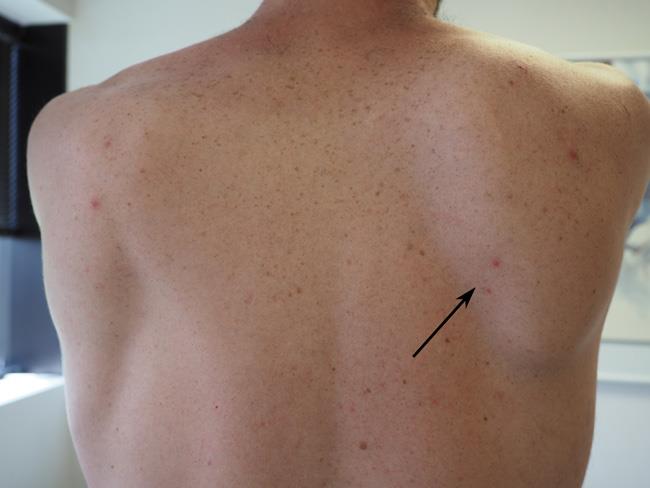
    • After assessing the patient’s scapular and humeral alignments and movements and associated symptom behaviour the physical therapist makes a diagnosis of insufficient scapular upward rotation with humeral anterior glide- basically the physio concludes that the shoulder blade is the reason of his pain and its inefficient work needs to be corrected.
    • The other components of the examination identify the contributing factors that include (1) relative stiffness, (2) muscle strength, and (3) neuromuscular activation patterns.
    • The idea behind the KPM is that classifying the patient according to impaired alignments and movements (i.e., Scapular Insufficient Upward Rotation, Humeral Anterior glide) is more useful to guide physical therapy treatment than identifying a pathoanatomical problem because these are the impairments to be corrected

    check out this advanced shoulder blade exercise we recommend to our clients

    TREATMENT PRINCIPALS:-

    • Treatment is based on correcting the impaired alignment and movement patterns as well as correcting the tissue adaptations associated with the impaired alignment and movement patterns.
    • Treatment includes patient education, analysis and correction of daily activities and prescription of specific exercises.12798081
    • Patient education refers to educating the patient about how the repetition of impaired movements and sustained alignments in a specific direction may be related to his musculoskeletal condition and how to correct the impairments during all of his daily activities, particularly those that cause symptoms.

    For example, patients with Scapular Depression Syndrome may be taught to keep their scapula elevated by supporting their arms while working at a computer. The goal of the support is to reduce the sustained load on the cervical spine and the muscles that elevate the scapulae

    • The specific exercises and activities are performed during the treatment sessions and also are part of the home program.
    • Each patient receives pictures or figures of the specific exercises and daily activities with written instructions. Videos also can be used to teach the patient how to perform the exercises and activities.

    For example- a patient referred to the clinic with low back pain required to be tested for single leg stance as a part of the examination. The following instructions were given to conduct the test and when one the impairments was identified, that movement was corrected using the same movement as an exercise with specific instructions


    INSTRUCTIONS TO PERFORM THE TEST:- Perform variation if box is checked
    ·       Stand with both feet relatively close together to keep from shifting to the side of the stance leg.

    ·       Shift your weight to stance leg

    ·       Tighten your buttock muscle on the side of your stance leg

    ·       Lift your alternate thigh in front of your body while bending your knee

    o Contract your abdominal muscles
    o Keep your pelvis level ++
    o Place your hands on your pelvis to monitor your movement ++
    o Do not let your opposite hip drop (Figure B)
    o Do not let your knee turn inward (Figure C)
    o Do not let your shoulders lean to the side (Figure D) ++
    keep your trunk still ++
    o Do not let your ankle pronate (i.e., arch collapsed or turned in) ++


    The patient had 2 impairments:- the hip of the stance leg dropped and the knee moved inwards, suggesting a particular impairment which was corrected using cues.

    CONCLUSION:-

    The MSI based classification and treatment allows physical therapists to diagnosis and treat musculoskeletal conditions based on principles of the KPM where impaired alignments and movements are proposed to induce pain and pathology.

    MSI syndromes and treatment have been described for all body regions. The reliability and validity of the system for some anatomical regions have been partially described.85256575859606271727375767778

    Several case reports describing MSI examination and treatment of different musculoskeletal conditions have been published7980818687888990 although efficacy of treatment has not been tested in randomized controlled trials, except in people with chronic low back pain.84

    REFERENCES:-

    Diagnosis and treatment of movement system impairment syndromes

    Shirley Sahrmann, Daniel C. Azevedo, and Linda Van Dillen

    https://www.ncbi.nlm.nih.gov/pmc/articles/PMC5693453/#


  • Acute Injury Management

    Musculoskeletal or sports injuries are injuries that happen when playing sports or exercising.

    There are two kinds of injuries:

    acute injury mgmt

    • Chronic injuries happen after you play a sport or exercise for a long time.

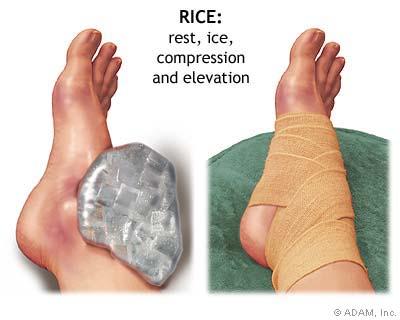
    The first 24-48 hours after sustaining a soft tissue injury are crucial in ensuring the best outcome for healing.  As a general rule, management for most injuries is as simple as remembering two simple acronyms – RICER and HARM.

    The objective of RICE is to stop the injury-induced bleeding into the muscle tissue and thereby minimize the extent of the injury. Clinical examination should be carried out immediately after the injury and 5-7 days after the initial trauma, at which point the severity of the injury can be assessed more reliably.

    Use RICER!

    RICER stands for Rest, Ice, Compression, Elevation, and Refer. RICER highlights 5 simple methods to reduce pain and promote healing.

    Rest – Initially, the objective for healing any soft tissue injury is to minimise swelling and bleeding. Reducing movement, and in some cases immobilising the injured area, is one of the simplest methods to reduce further injury and promote healing 6.

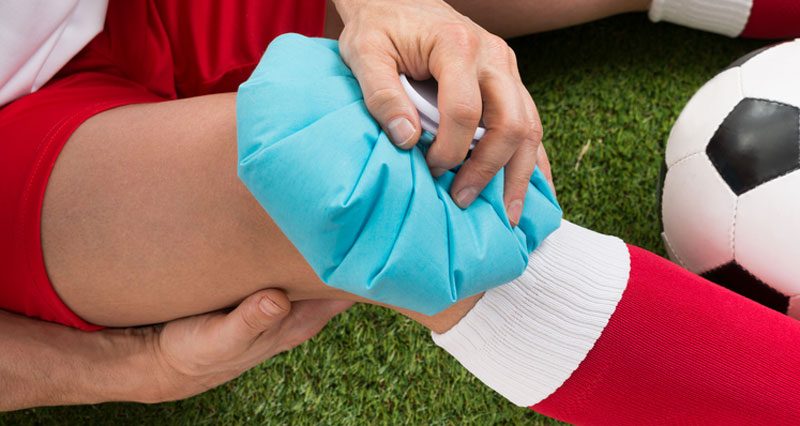
    Ice – Cooling the injured area serves to slow down tissue metabolism 1,2,4. It may cause contraction of blood vessels which will slow down blood flow and assist with reducing swelling 1,2,4. Ice can also provide a temporary numbing effect to assist with short-term pain relief as well as 1,2,4. Ensure that intense cooling is not applied directly to the skin to minimize the potential for skin burns. Applying ice following common injuries such as Rotator cuff tear, Hamstring Strain or Ankle Sprains is usually a good start.

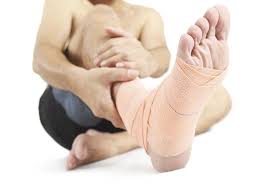
    Compression – Compressing an injured area can have a direct effect on swelling. Applying a bandage to the area can help to limit the amount of bleeding that occurs in an isolated area 3. Caution needs to be taken to ensure that any compressive bandage is firm, however, does not reduce the normal circulation to the area.

    Elevation – Elevating the injured area will also serve to reduce the collection of fluid to the area by limiting the effect of gravity 6. For foot or leg injuries, lying with the injured area elevated above the level of the pelvis with the use of pillows is an easy start.

    Refer – While RICER helps promote healing in the early stages of injury to get the right diagnosis you need to see an appropriate health professional; say a physiotherapist! Here at Physiocure, we can give you an accurate diagnosis and also help plan a return to the sporting field.

     Usually, the treatment of injured muscles should be carried out by immediate immobilization of the injured muscle (clinically, relative immobility/avoidance of muscle contractions). However, the duration of immobilization should be limited to a period sufficient to produce a scar of sufficient strength to bear the forces induced by remobilization without re-rupture and the return to activity (mobilization) should then be started gradually within the limits of pain.

    At Physiocure we aim at, early return to activity, which is needed to optimize the regeneration of healing muscle and recovery of the flexibility and strength of the injured skeletal muscle to pre-injury levels. Our rehab programs are built around progressive agility and trunk stabilization exercises, as these exercises seem to yield a better outcome for injured skeletal muscle than programmes based exclusively on stretching and strengthening of the injured muscle.

    Braces

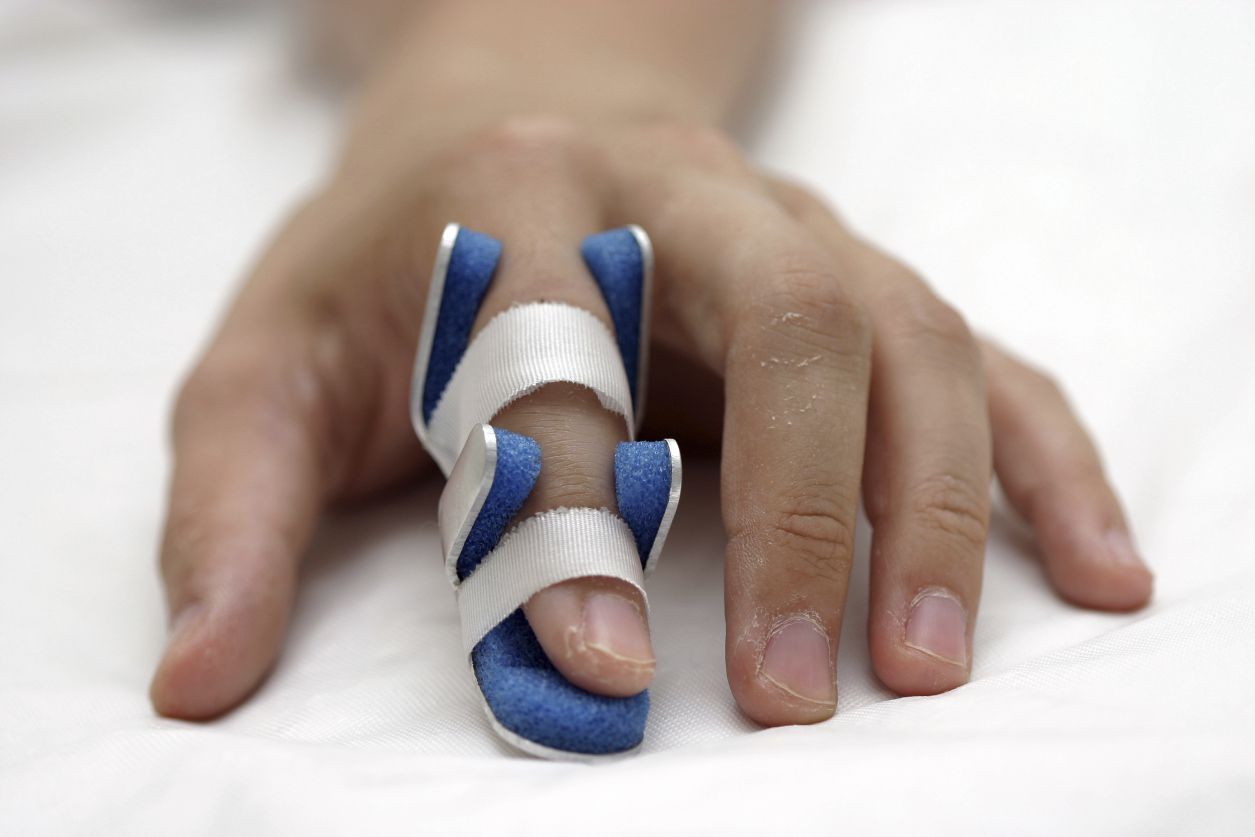
    Braces and splints can be useful for acute injuries, chronic conditions, and the prevention of injury. There is good evidence to support the use of some braces and splints; others are used because of subjective reports from patients, relatively low cost, and few adverse effects, despite limited data on their effectiveness
    They can be used to immobilize an unstable joint or fracture, to unload a portion of a joint and improve pain and function, to eliminate range of motion in one direction, or to modify range of motion in one or more directions. They do not replace a good rehabilitative program, and the entire spectrum of treatment options should be explored and used as needed.

    For acute injury or during a post-operative period, common braces include:
    • walking cast
    • wrist splint
    • ankle brace
    • knee brace
    • finger/toe splints
    • casts (hard and removable)

    An accurate diagnosis of the injury is important in determining whether a brace or splint is indicated. Generally, splints are for short-term use. Excessive, continuous use of a brace or splint can lead to chronic pain and stiffness of a joint or to muscle weakness. However, long-term use of some braces, such as a knee unloader brace, can help prevent the progression of pain attributable to osteoarthritis of the knee.

    Avoid HARM!

    HARM stands for Heat, Alcohol, Running/ exercise,and Massage. HARM represents 4 factors that you should avoid in the early stages of injury in order to maximise healing and recovery. While RICER focuses on minimising bleeding and swelling, HARM covers factors to avoid – all of which will increase circulation to the damaged area.

    Heat – Heat will cause blood vessels to dilate which in turn will increase the flow of blood to the area. Avoid hot baths, showers, saunas, heat packs, and heat rubs.

    Alcohol – Similar to heat, alcohol has an effect of dilating blood vessels, which in turn will increase the flow of blood to the area. Alcohol can also mask pain and the severity of the injury, which may put you at greater risk for re-injury 7.The alcohol effects on sports performance depend on the type and dosage of alcohol, acute vs chronic administration, the alcohol elimination rate as well as the type of exercise. Avoid drinking alcohol in the initial stages of healing any injury.

    Running/exercise – An increase in heart rate increases the flow of blood around the body. This will cause blood to accumulate in the area faster. Take the opportunity to rest.

    Massage – Massaging the area, once again, will stimulate the flow of blood to the area. Avoid massage in the initial stages of injury.

    References:

    1.  The use of ice in the treatment of acute soft-tissue injury.
    2. Cryotherapy for acute ankle sprains: a randomised controlled study of two different icing protocols.
    3. Brukner B, Khan K. Clinical Sports Medicine: Third Edition, McGraw Hill, Australia Pty, Ltd. 2007.
    4. Muscle injuries: optimising recovery. 
    5. The effect of exercise, alcohol or both combined on health and physical performance.
    6. Braces and Splints for Musculoskeletal Conditions


  • Effects of Exercises in Pregnancy

    For long now, women have been scared away from exercising during pregnancy, but there are more and more articles floating on the web talking about all the positive effects of exercising during a normal pregnancy. At Physiocure, we advise all women with a normal pregnancy to adopt some form of safe prenatal exercises to have an even better and injury-free time, once their baby arrives.


    Current studies indicate that healthy women with an uncomplicated pregnancy do not need to limit their exercise for fear of adverse effects (Whaley et al. 2006). Women should be encouraged to do consistent, moderate-intensity exercise, however women with complicated pregnancies have been discouraged from participating in exercise activities for the fear of impacting the underlying disorder (Davies et al. 2003). According to Kramer & McDonald (2009) regular aerobic exercise during pregnancy appears to improve physical fitness. Women who are exercising prior to the pregnancy can continue to do so without any major modifications. However, many women will change their program because they have symptoms, discomfort and risks associated with joint laxity and body mass gain (Whaley et al. 2006). This joint laxity should also be taken in consideration during stretching. Most woman start exercise programs in the second trimester because often the symptoms as nausea, vomiting and profound fatigue are less in that stage.

    Exercise prescription

    During pregnancy maximal exercise testing is not recommended. If a test is needed this should be undertaken under the supervision of a physiotherapist. Women who were less active or sedentary before the pregnancy should go to a physiotherapist before they start exercising.The recommended mode, frequency, duration and overload of the exercise are consistent with general principles of fitness training (Table 1).

    Table 1: GENERAL FITNESS EXERCISE PROGRAM (Whaley 2006)
    Components Frequency Intensity Duration Activity
    Cardio respiratory 3-5 /week 40% – 85% HRR or Vo2R 55% – 90% HRmax   12-16 RPE 20-60 min Large muscle groups

    Dynamic activity

    Resistance 2-3 /week Volitional fatigue (MMF) (e.g. 19-20 RPE)

    OR

    Stop 2-3 reps before volitional fatigue (e.g. 16 RPE)

    1 set of 3-20 repetitions (e.g. 3-5, 8-10, 12-15) 8-10 exercises IncRemove featured imagelude all major muscle groups
    Flexibility Minimal

    2-3/ week

    Ideally 5-7/week

    Stretch to tightness at the end of the range of motion but not to pain 15-30 seconds  2-4 repititions Static stretch all major muscle groups

    Research also reports that light resistance training can be performed over the 2nd and 3rd semester and that does not have an effect on the newborn body size or overall health. They conclude that resistance training during pregnancy decreases the negative effects of maternal weight on the newborn size. Davies et al. (2003) recommends the `talk test´ method to monitor exertion, which means that the woman must be able to maintain a conversation during exercise. He explains that if she is unable to do so, reduced exercise is advised.

    Table 2: MODIFIED HEART RATE TARGET ZONES FOR AEROBIC EXERCISE IN PREGNANCY (Davies 2003)
    Maternal Age ( in years) Heart Rate Target Zone       

            (beats/min)

    Heart Rate Target Zone

           (beats/10 sec)

    Less than 20 140 – 155 23 – 26
    20-29 135 – 150 22 – 25
    30-39 130 – 145 21 – 24
    40 or greater 125 – 140 20 – 23


    According to ACOG (2002) a prescription of 30 to 40 minutes or more of moderate activity on most or all of the days in the week is advised and 3-5 times a week for more intense physical activities. There is a difference between women who have been inactive prior to pregnancy and women who have been active. The inactive women should begin with a light-intensity program (20%-39% HRR), this means low impact activities such as walking and swimming. Previously sedentary woman should start with 15 minutes exercise, 3 times a week, increasing this gradually to 30 minutes session, four times a week. He recommends that in this session abdominal strengthening should be excluded as there may be development of diastasis recti and associated muscle weakness. However core stability is an important part of exercise during the pregnancy. Goals should include maintenance of cardiorespiratory fitness, muscle mass and physician-recommended weight gain (McArdle et al. 2006).

    Pelvic floor training>

    Pregnancy and pelvic pain have an important impact on women on a daily basis. Stuge et al. (2002) explains that lumbo-pelvic stabilization could be achieved by exercises and have an influence on appropriate posture and enhanced muscle function or by use of an orthotic device like a pelvic band could have an influence on it. He explains that there is no strong evidence that the effect of physical therapy interventions helps with the prevention of low-back pain and pelvic pain related to pregnancy but there are no facts that exercise doesn’t help. However, he mentions that water gymnastics has shown a lower pain intensity and sick leave compared to no intervention, but this could be due to the effect of attention. A training program for the pelvic floor muscle can be associated with fewer cases of active pushing in the second stage of labour lasting longer than 60 minutes.

    Exercise in the Postpartum Period

    Depending on the type of delivery, most types of exercises can be continued. The women may need to reduce the activities due to fatigue of delivery and newborn care. Brukhner & Khan (2007)  state that the changes caused by pregnancy take some time to return to normal, so care should be taken in the first six weeks after delivery to avoid sudden high impact or contact activity. They explain that if the delivery was a caesarean section, women may need to avoid strenuous activity for six weeks and heavy weight training for 12 weeks. This depends on the recovery such as anemia or wound infection.  Pelvic floor exercises are good to reduce the risk of future urinary incontinence (Morkved & Bo 2000).

    Breastfeeding is a part that also needs to be considered after pregnancy. The exercises should not interfere with the ability to breastfeed. Although exercise doesn’t affect the milk production or composition, lactic acid has been shown to be increased in the breast milk of women exercising at maximal intensity, but not in those who exercising at normal level (Davies et al). 2003) the growth of breastfeeding babies of mothers who exercise is normal. This is even the case for mothers who are losing weight as part of their exercise.


    Exercise to prevent complications

    1.    Gestational diabetes mellitus (GDM)

    Avery (1997) concluded that in women who started a home-based exercise program there was no reduction in glucose levels. According to Dempsey et al. (2004) an increase in physical activity may reduce the risk of gestational diabetes mellitus. Physical activity, especially vigorous activity before pregnancy and at least light to- moderate activity during pregnancy may reduce risk for abnormal glucose tolerance and GDM (Oken et al. 2006). There is inconsistence evidence whether exercise has a positive or negative effect on gestational diabetes.

    2.    Preeclampsia

    Preeclampsia is identified by increased blood pressure and protein in the urine, women usually don’t have any symptoms in the beginning.

    Women who are doing leisure-time exercise during pregnancy where less likely to develop preeclampsia compared to those who didn’t participate in exercise. Relative to inactive women, the pregnant women who were vigorously active during pregnancy experienced a 54% reduction of risk for preeclampsia, and those who engaged in light or moderate activities experienced a 24% reduction of risk (Lewis et al. 2008).


    3.    Weight gain

    Total weight gain is measured in the following categories: low (<10 kg), medium (10–15 kg), high (16–19 kg), or very high (>20 kg). Research explains that generally low gestational weight gain was an advantage for the mother, but it increases the risk of having a small baby, particularly for underweight women. In conclusion heavier women may benefit from avoiding high and very high pregnancy weight gain, which brings only a slight increase in the risk of growth restriction for the infant. High weight gain in underweight women does not appear to have deleterious consequences for them or their infants, but they may want to avoid low gestational weight gain to prevent having a small baby.

    4.    Labor and Birth

    There is an overall positive relationship between a more favourable labor and delivery outcomes and exercise. In addition, even among women with diseases and previous poor outcomes, exercise during the pregnancy was not associated with either preterm birth or low birth weight. Juhl et al. (2007) results show a reduced risk in preterm birth among women who participated in exercise with 40% in comparison with non-exercisers, but no dose-response relation was seen.

    5.   Urinary incontinence

    About one third of the women have an incontinence leakage after they gave childbirth . Training of the pelvic floor muscle is an often recommended treatment during and after childbirth for prevention of incontinence and there is some evidence that pelvic floor muscle training in women having their first baby can prevent urinary incontinence in late pregnancy and postpartum (Hay-Smith et al. 2009). However, Ewings et al. (2005) states that pelvic exercise did not help prevent future incontinence, although this could be due to a failure of the women to return for the classes

    CONCLUSION:-

    In conclusion evidence indicates that exercise during pregnancy is recommended.  An important part of exercise during pregnancy is safety. Therefore listening to their body is a main factor. And pregnant women must be watched carefully and be made aware of conditions such as vaginal bleeding, dyspnea prior to exertion, dizziness, heachache, chest pain, muscle weakness, calf pain or swelling preterm labor, decreased fetal movement and amniotic fluid leakage.

    During exercise the heart rate should be measured closely and the talk test is an easy way to know if the woman is at the correct intensity level. The supine position should be avoided after 4 weeks of pregnancy.

    Finally, your physiotherapist should be well informed about exercise during pregnancy so as to empower you with the ability to have a healthy, safe and enjoyable pregnancy.

    SIMILAR ARTICLES:-

    Squats during pregnancy

    Safety Issues in Pregnancy

    Low Back Pain

    Post Natal Back Pain- a personal take!!