Tag: knee pain

  • Overhead Squat Assesment

    Are you a sports professional, an athlete, or a fitness freak, do you succumb to lower-body injuries very easily or do you want to correct your body alignment???

    How can a squat assessment help you?

    Basically, a squat assessment can help us gauge

    • the possibility of deficiency in mobility in the hip, knee, or ankle joints.
    • secondly, it helps us identify muscle weaknesses in the lower back, hip, or ankle which have a scope of improvement.
    • thirdly it could be contributing to an injury that would develop on practicing a wrong form of squat.
    • lastly, you can get it done to get the form right from the beginning itself or if you are gyming after an injury or surgery in the lowerbody.

    squat could look like this when observed from behind but you may not be able to
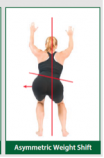
    asymmetric squats
    asymmetric squats

    understand the faults. this fault is very common with individuals recovering from a knee injury or a knee surgery, so as an experienced physio I would advise you to get the assessment done for activating the correct neuromuscular pattern during the squat

    Just one simple test of Over Head Squat Assessment (OHSA) can highlight the shortcomings in your form and help you perform better.

    The ability to squat is essential in life whether you are a sports person or just a regular person. You need to squat for your daily activities right from the age of 2 to 80 years old. A lot of patients come to us not knowing how to squat because of lifestyle issues, on the other hand, a lot of sports players, who come in for treatments have shown asymmetrical strength and weaknesses, we could identify through this simple test to help then recover completely from their back/hip/knee/ankle injury.

    When you are squatting, all the muscles in the linkage right from your toe to the spine to the shoulder and neck muscles must work in co-ordination and appropriately to produce an effective squat.

    An OHSA requires you to perform squats for around 5-10 reps and the form of your squats are assessed through 3 different angles

    if there are any faults in performing the squats, the same are identified and a correction program is made to help you perform better.

    faulty squat pattern- front view


    faulty squat pattern- side view

    fill in the OHSA form and come over to get yourself corrected. if you cannot we can do this assessment

    for you.

    PS:- OHSA is not the only tool, it forms a part of a group of the examination for various musculoskeletal/sports injuries.

    Overhead Squat Assesment form

  • Knee Cap Cartilage Tear

    Chondromalacia patellae is a condition affecting the knee cap (also known as the patella bone) at the knee joint which results because the cartilage of the knee cap softens and undergoes wear and tear.

    Pain & crepitus are most often experienced in and around the knee cap. You may experience difficulty in walking, running, climbing or descending stairs due to pain. This condition is seen more commonly in women than in men.

    How does chondromalacia patellae occur?

    1. The positional fault of the knee cap
    2. Steroid injection at the knee leading to weakening of the articular cartilage
    3. Osteoarthritis at the knee joint
    4. Trauma
    5. Post-surgical knee immobilization
    6. Obesity
    7. Overuse injuries, usually seen in athletes

    symptoms:-

    Anterior knee pain is the most common chief complaint of patients with chondromalacia. This pain is usually made worse with activities that increase the stress on the patellofemoral joint, for example, stair climbing, squatting, and running.

    What activities must I avoid and for how long?

    The best treatment is to avoid activities that compress the knee cap on the joint. This means avoiding going up and down the stairs and hills, deep knee bends(squats), kneeling, step aerobics, and high impact exercises(jumping, sprinting, etc). Do not wear high-heeled shoes. Do not exercise sitting on the edge of the table lifting leg weights (knee extension).

    Sports that aggravate chondromalacia patella are:

    1. Volleyball
    2. Basketball
    3. Soccer
    4. Distance running
    5. Raquet-ball
    6. Squash
    7. Weight lifting
    8. Occasionally cycling

    How can you prevent it?

    In regular individuals or athletes, an exercise program to maintain on the overall leg strength and mobility should help in preventing this problem. In athletes, sports specific activities leading to increased wear and tear of knee cap should be examined and corrected by the appropriate coaches/trainers.

    How Physio helps?

    A Physiotherapy treatment program is based on correcting the mechanics of the knee and help in reducing pain and disability.

    Are pain medications not enough?

    Pain medications will certainly help in reducing pain but will not help correct the faulty mechanics at your knee. This may lead to frequent recurrence of the problem. Therefore, physiotherapy becomes an important part of the treatment.

    What does the treatment process involve?

    The treatment process includes correction of certain lifestyle factors affecting pain (weight, daily activities, footwear and many more). A combination of electrotherapy, Kinesiotaping and soft tissue mobilisation/dry needling is done along with neuromuscular retraining exercises.

    What kind of knee support can you use?

    Elastic knee cap with a small opening in the front for the knee cap

    What immediate treatment can I do to reduce pain/ swelling?

    Icing over the front of the knee joint for 10-15 mins helps.

    References:-

    1. Chondromalacia Patella