
Running is one of the most popular sports in the world. This not only covers marathons and track and field running – running is also part of the training in virtually all other sports, including soccer, rugby, handball and triathlon. Modified levels and intensities of running can also be used as alternative training for most athletes with certain types of injuries
Running is a very efficient method for maintaining or improving overall fitness and increasing the structural strength of the leg muscles. Running can be over a distance, in a variety of intervals or as a varied running-jogging-walking program. The intensity and the distance must be proportionate to the runner’s ability and objectives.
Running on a hard surface
However,before running on a hard surface, such as roads or astro turf, the runner must be able to withstand the repetitive impact of the ground on to the legs, as each stride will create an impact force of five to ten times body weight for a fraction of a second. Since each stride stresses the same structures, their tensile strength and endurance lie between positive training effects and injury.
Running on a hard surface mainly loads the lower limbs, where 90 per cent of running injuries are found. The most common error an inexperienced runner makes is to run too fast and too long too early, so that training causes new injuries instead of promoting the healing of another.
Prescribing hard surface running
It is important to use common sense when prescribing hard-surface running. For an inexperienced runner the safest way to build up performance after an injury is a slow and steady running tempo,
including a proper warm-up. The best test of improvement in running capacity is repeatedly to measure the runner’s effort and time in a simple test race.
Running for general fitness
For a fairly unfit but otherwise healthy person who wants to improve their general fitness and aerobic performance, running can be recommended as part of a progressive program. From a reasonable starting point, such a program would usually increase less than 15 per cent in distance and intensity per year.
When to stop/reduce running on a hard surface!!
- An elite marathon runner with an over-use injury may simply reduce their running time from two hours to one hour per day; not pushing over the pain threshold but gradually increasing the time day by day.
- A 130 kg rugby player, even though extremely fit, is not a good candidate for long-distance or road running. Their knees will undoubtedly say ‘no!’ to this madness.
- This type of exercise also cannot be recommended for obese or generally unfit recreational athletes or people with structural knee or hip problems, such as osteoarthritis.
How do you know your running capacity is decent!!
A reasonable running tempo that can be maintained for 30 minutes is essential for a persistent training effect. Runners should aim for a pace at which they can chat with a running mate while breathing almost normally; this is equivalent to 60 to 70 per cent of maximum aerobic capacity.
The subjective experience of running is far more important than the heart frequency, which is not directly proportionate to the runner’s feeling. Even with the same heart frequency, for example 160 beats per minute, running can be very easy one day and very uncomfortable the next.
Training to run efficiently
The subjective experience of training is very important for a non-runner’s motivation. Since the surface is consistent for each stride the same structures in the lower limbs will be put under repeated stress. While this leads to a functional adaption of the strength of the structures it can also lead to
injuries in the short term.
The comfortable fitting shoe for running
This also highlights the importance of proper, comfortably fitting of The Running Shoe with a cushioned sole, which can reduce the impact from touchdown in the stride, distribute the forces and provide stability to the ankle and foot.
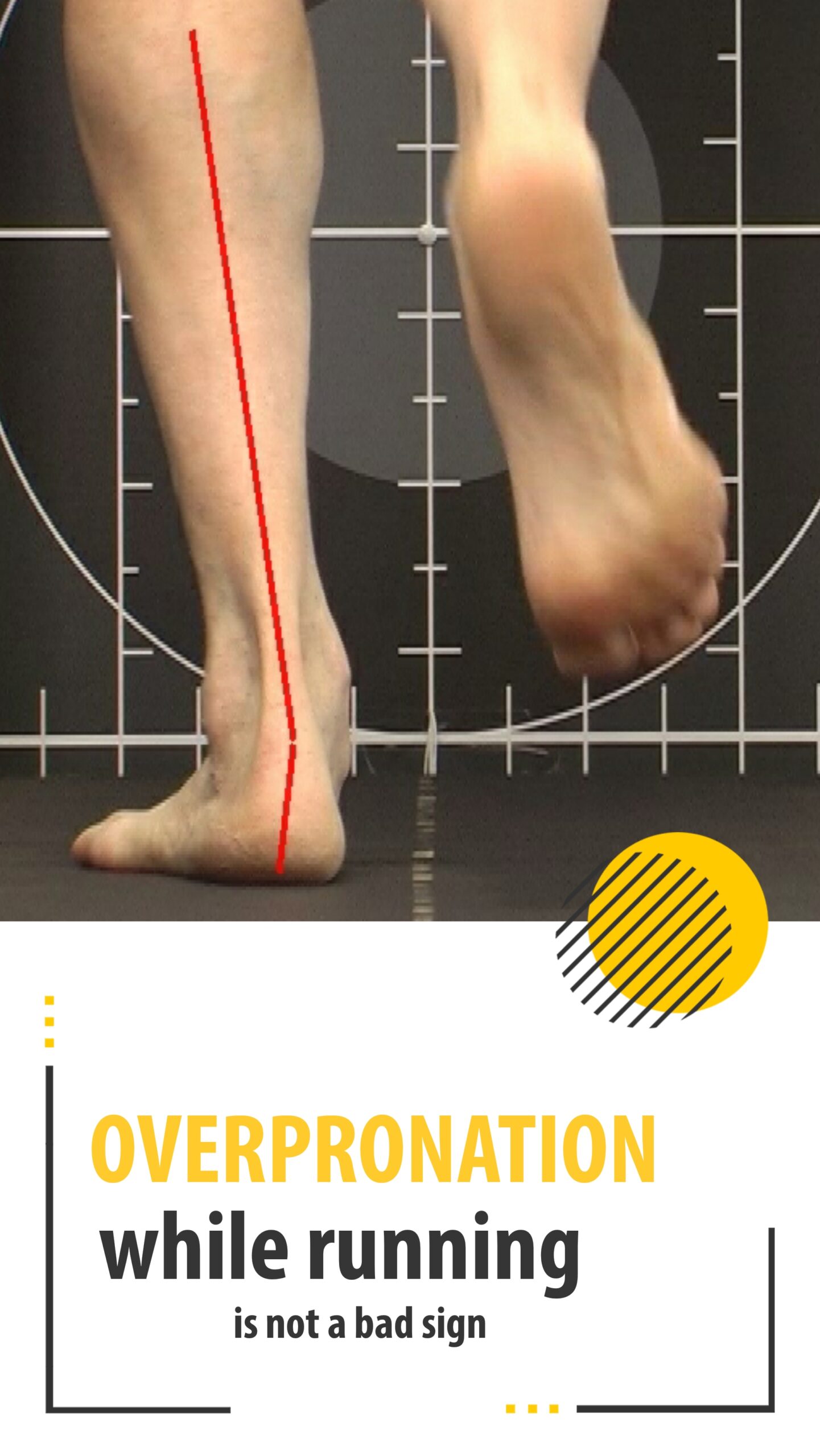


Regular runners will soon find their own style, but might have more trouble getting a consistent style of footwear. Most running injuries are caused by training errors.
We usually recomment these ankle mobility exercises for runners training for a marathon
Don’t get carried away!!
The commercial running shoe market is unfortunately mainly fashion-orientated and new models are pumped out every six months. Despite improved bio mechanical knowledge, which manufacturers claim has revolutionized the market, and lighter high-quality materials and technology within the sole to compensate for different individual factors, modern running shoes do not last long. It may also be questioned whether they have reduced the incidence of injuries.
Soft Surface Running
Running on soft surfaces maintains or increases fitness and tensile strength of the lower limbs and with less eccentric impact compared to running on hard surfaces. A well-balanced running programme over beachess, in parklands or in forests can be recommended as a primary alternative
training for most runners and other athletes with over-use injuries, even those of the lower limbs.
People with mild or moderate knee or hip osteo-arthritis, who struggle to run 500 m on the road, may be able to jog a 5 km orienteering course without adverse effects.
people with knee or hip arthritis must do these stretches before going for the run
Advantages of soft surface running
- A varied and soft running surface creates a lower impact on the musculo-skeletal system, due to the longer time for shock absorption from each stride and the wider distribution of forces over the kinetic chain.
- On the other hand, the runner is forced to work harder, from a muscular point of view; they need to lift the knees higher when running uphill or over obstacles on the ground like vegetation.
- This consumes more energy and, all in all, uses more muscle groups than running on hard surfaces.
- Running in forests consumes up to twice as much energy per kilometer as road running.
- Running on soft surfaces is less demanding for the lower limbs but, due to the increased energy demand, puts more stress on the cardiovascular and respiratory system and so is good for weight reduction and general fitness.
Risks of soft surface running!!
- There are risks in the prescription of this type of training. Over uneven terrain, the risk of ankle sprains and falls increases.
- Even though temporarily running on soft surfaces can be recommended for a marathon runner with over-use injuries of the lower limbs, they must be aware of the increased risks.
- Proprioceptive ankle training and core stability training must accompany alterations in running type.
Who should avoid running on soft surfaces
Older athletes, or fragile patients with osteoporosis or disabling injuries, may jog or walk on softer surfaces instead of running
Last but not the least if you are into running you must follow these three stretches everyday to prevent yourself from injuries.


